


Business Type
Trader
Catalog Products
8 Active Items
Year Established
2023
Location
india
About Siegro International LLP
Siegro International LLP appears to be a trading company that specializes in dealing with spices, vegetables, and fruits. As a trader, they likely source these products from various suppliers or producers and then distribute them to wholesalers, retailers, or other businesses in the food industry. Here's a breakdown of what they might do with each category: Rice, Sugar, Fruits, Vegetables, Green Chilli , Cumins, Cardamom, Black Peper, red chilli, Peanuts As a trading company, Siegro International LLP would likely focus on efficient sourcing, quality control, logistics, and distribution to ensure that their products meet the needs and expectations of their customers in the food industry.
Product Showcase8 items
Explore our inventory catalog. Instant quotes available.
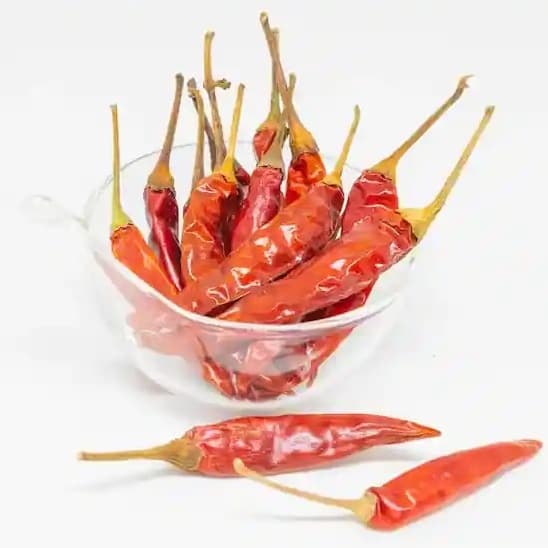
Red Chilli
Red chili, also spelled as red chilli, refers to ripe chili peppers that have turned red in color. Chili peppers come from various species of the genus Capsicum, and they range in heat levels, flavor profiles, and culinary uses. Here are some key points about red chili: Ripening Process: Chili peppers start green and gradually ripen to different colors, including red, yellow, orange, and even purple or black, depending on the variety. Red chili peppers are harvested at full maturity when they have turned red, indicating that they have fully ripened. Flavor and Heat: Red chili peppers vary widely in flavor and heat intensity depending on the variety. Some are mild with a subtle sweetness, while others are extremely hot and pungent. The heat of chili peppers is primarily attributed to the presence of capsaicin, a compound found in the seeds and membranes of the pepper. Culinary Uses: Red chili peppers are a staple ingredient in many cuisines around the world, adding flavor, heat, and color to a wide variety of dishes. They can be used fresh, dried, or powdered, depending on the recipe. Red chilies are used in salsas, sauces, curries, soups, stews, marinades, and spice blends. They can also be stuffed, roasted, pickled, or used as a garnish. Varieties: There are numerous varieties of red chili peppers, each with its own unique characteristics. Some popular varieties include cayenne, jalapeño, Thai bird's eye, habanero, serrano, and Fresno chili peppers. Each variety offers a different level of heat and flavor, allowing for versatility in cooking. Health Benefits: Red chili peppers contain various nutrients and bioactive compounds that offer health benefits. Capsaicin, the compound responsible for the heat of chili peppers, has been studied for its potential health-promoting properties, including pain relief, metabolism boosting, and anti-inflammatory effects. Red chili peppers are also rich in vitamins A and C, potassium, and antioxidants. Cultural Significance: Red chili peppers hold cultural significance in many societies around the world and are often associated with tradition, celebration, and culinary identity. They feature prominently in religious ceremonies, festivals, and symbolic rituals in various cultures. Overall, red chili peppers are a versatile and flavorful ingredient cherished for their culinary and cultural significance. Whether used to add a subtle kick or a fiery punch to dishes, red chilies are a beloved staple in kitchens worldwide.
Siegro International LLP
india
Red Chilli
TraderAsk for Price
Red chili, also spelled as red chilli, refers to ripe chili peppers that have turned red in color. Chili peppers come from various species of the genus Capsicum, and they range in heat levels, flavor profiles, and culinary uses. Here are some key points about red chili: Ripening Process: Chili peppers start green and gradually ripen to different colors, including red, yellow, orange, and even purple or black, depending on the variety. Red chili peppers are harvested at full maturity when they have turned red, indicating that they have fully ripened. Flavor and Heat: Red chili peppers vary widely in flavor and heat intensity depending on the variety. Some are mild with a subtle sweetness, while others are extremely hot and pungent. The heat of chili peppers is primarily attributed to the presence of capsaicin, a compound found in the seeds and membranes of the pepper. Culinary Uses: Red chili peppers are a staple ingredient in many cuisines around the world, adding flavor, heat, and color to a wide variety of dishes. They can be used fresh, dried, or powdered, depending on the recipe. Red chilies are used in salsas, sauces, curries, soups, stews, marinades, and spice blends. They can also be stuffed, roasted, pickled, or used as a garnish. Varieties: There are numerous varieties of red chili peppers, each with its own unique characteristics. Some popular varieties include cayenne, jalapeño, Thai bird's eye, habanero, serrano, and Fresno chili peppers. Each variety offers a different level of heat and flavor, allowing for versatility in cooking. Health Benefits: Red chili peppers contain various nutrients and bioactive compounds that offer health benefits. Capsaicin, the compound responsible for the heat of chili peppers, has been studied for its potential health-promoting properties, including pain relief, metabolism boosting, and anti-inflammatory effects. Red chili peppers are also rich in vitamins A and C, potassium, and antioxidants. Cultural Significance: Red chili peppers hold cultural significance in many societies around the world and are often associated with tradition, celebration, and culinary identity. They feature prominently in religious ceremonies, festivals, and symbolic rituals in various cultures. Overall, red chili peppers are a versatile and flavorful ingredient cherished for their culinary and cultural significance. Whether used to add a subtle kick or a fiery punch to dishes, red chilies are a beloved staple in kitchens worldwide.

Siegro International LLP

Peanuts
Peanuts, also known as groundnuts, are a legume crop grown for their edible seeds. They are native to South America but are now cultivated in many regions around the world. Peanuts have several key characteristics and uses: Botanical Classification: Despite their name, peanuts are not true nuts; they belong to the legume family, Fabaceae, and are related to beans and lentils. They grow underground, unlike tree nuts that grow on trees. Cultivation: Peanuts are grown in warm climates with well-drained soil. They require a relatively long growing season and are typically planted in the spring and harvested in the fall. The plants produce yellow flowers that self-pollinate and then develop into pods containing the peanuts. Nutritional Profile: Peanuts are a nutrient-rich food. They are an excellent source of plant-based protein, containing all nine essential amino acids. Peanuts are also high in healthy fats, particularly monounsaturated and polyunsaturated fats. Additionally, they provide various vitamins and minerals, including vitamin E, niacin, folate, magnesium, and phosphorus. Culinary Uses: Peanuts are consumed in various forms. They can be eaten raw or roasted, and they are a popular ingredient in many cuisines around the world. Peanuts are commonly used in peanut butter, which is made by grinding roasted peanuts into a smooth paste. They are also used in snacks, confectionery, baked goods, and savory dishes, such as stir-fries and sauces. Health Benefits: Peanuts offer several health benefits when consumed as part of a balanced diet. The protein and healthy fats in peanuts can help promote satiety and support muscle growth and repair. Peanuts are also rich in antioxidants, which help reduce inflammation and protect against chronic diseases like heart disease and diabetes. However, people with nut allergies should avoid peanuts, as they can cause severe allergic reactions. Economic Importance: Peanuts are a valuable crop with significant economic importance. They are grown commercially in many countries, including the United States, China, India, Nigeria, and Argentina. Peanuts are used for food products, animal feed, and oil extraction, and they contribute to the livelihoods of millions of farmers worldwide. Overall, peanuts are a versatile and nutritious food with a wide range of culinary and nutritional benefits. Whether eaten as a snack, incorporated into recipes, or used in food manufacturing, peanuts are enjoyed by people all over the world.
Siegro International LLP
india
Peanuts
TraderAsk for Price
Peanuts, also known as groundnuts, are a legume crop grown for their edible seeds. They are native to South America but are now cultivated in many regions around the world. Peanuts have several key characteristics and uses: Botanical Classification: Despite their name, peanuts are not true nuts; they belong to the legume family, Fabaceae, and are related to beans and lentils. They grow underground, unlike tree nuts that grow on trees. Cultivation: Peanuts are grown in warm climates with well-drained soil. They require a relatively long growing season and are typically planted in the spring and harvested in the fall. The plants produce yellow flowers that self-pollinate and then develop into pods containing the peanuts. Nutritional Profile: Peanuts are a nutrient-rich food. They are an excellent source of plant-based protein, containing all nine essential amino acids. Peanuts are also high in healthy fats, particularly monounsaturated and polyunsaturated fats. Additionally, they provide various vitamins and minerals, including vitamin E, niacin, folate, magnesium, and phosphorus. Culinary Uses: Peanuts are consumed in various forms. They can be eaten raw or roasted, and they are a popular ingredient in many cuisines around the world. Peanuts are commonly used in peanut butter, which is made by grinding roasted peanuts into a smooth paste. They are also used in snacks, confectionery, baked goods, and savory dishes, such as stir-fries and sauces. Health Benefits: Peanuts offer several health benefits when consumed as part of a balanced diet. The protein and healthy fats in peanuts can help promote satiety and support muscle growth and repair. Peanuts are also rich in antioxidants, which help reduce inflammation and protect against chronic diseases like heart disease and diabetes. However, people with nut allergies should avoid peanuts, as they can cause severe allergic reactions. Economic Importance: Peanuts are a valuable crop with significant economic importance. They are grown commercially in many countries, including the United States, China, India, Nigeria, and Argentina. Peanuts are used for food products, animal feed, and oil extraction, and they contribute to the livelihoods of millions of farmers worldwide. Overall, peanuts are a versatile and nutritious food with a wide range of culinary and nutritional benefits. Whether eaten as a snack, incorporated into recipes, or used in food manufacturing, peanuts are enjoyed by people all over the world.
Siegro International LLP
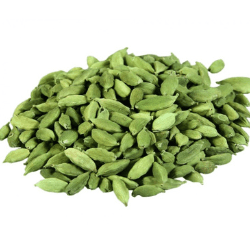
Green Cardamom
Green cardamom, also known as true cardamom or just cardamom, is a spice native to the Indian subcontinent and Southeast Asia. It comes from the seed pods of the plant species Elettaria cardamomum, which is a member of the ginger family (Zingiberaceae). Here are some key points about green cardamom: Appearance: Green cardamom pods are small, spindle-shaped capsules with a triangular cross-section, containing tiny aromatic seeds. The pods are light to dark green in color, with a papery outer shell. Flavor and Aroma: Green cardamom has a complex flavor profile that is both sweet and spicy, with hints of citrus, mint, and herbal notes. It has a fresh, slightly floral aroma with undertones of eucalyptus and camphor. The flavor and aroma come from the essential oils present in the seeds and pods. Culinary Uses: Green cardamom is a highly versatile spice used in both sweet and savory dishes. It is a key ingredient in many spice blends, such as garam masala in Indian cuisine and baharat in Middle Eastern cuisine. Green cardamom is commonly used to flavor desserts, baked goods, tea, coffee, and savory dishes like curries, rice dishes, and meat marinades. Medicinal Properties: In addition to its culinary uses, green cardamom has been used in traditional medicine systems, such as Ayurveda, for its purported health benefits. It is believed to aid digestion, freshen breath, and alleviate symptoms of respiratory ailments like coughs and congestion. However, more research is needed to fully understand the medicinal properties of cardamom. Harvesting and Processing: Green cardamom pods are harvested when they are still green and unripe, as this is when they contain the highest concentration of essential oils and flavor compounds. After harvesting, the pods are dried either in the sun or in ovens to preserve their flavor and aroma. The seeds are sometimes removed from the pods and ground into a powder for use in cooking. Cultural Significance: Green cardamom has a long history of use in culinary and cultural traditions around the world. It is considered one of the most valuable spices in the world, prized for its unique flavor and aroma. Green cardamom is often used in religious ceremonies, weddings, and other festive occasions in many cultures. Overall, green cardamom is a versatile and highly prized spice that adds depth of flavor and aroma to a wide range of dishes. Whether used in traditional Indian cooking or as a flavor enhancer in international cuisine, green cardamom is a beloved ingredient cherished for its culinary and cultural significance.
Siegro International LLP
india
Green Cardamom
TraderAsk for Price
Green cardamom, also known as true cardamom or just cardamom, is a spice native to the Indian subcontinent and Southeast Asia. It comes from the seed pods of the plant species Elettaria cardamomum, which is a member of the ginger family (Zingiberaceae). Here are some key points about green cardamom: Appearance: Green cardamom pods are small, spindle-shaped capsules with a triangular cross-section, containing tiny aromatic seeds. The pods are light to dark green in color, with a papery outer shell. Flavor and Aroma: Green cardamom has a complex flavor profile that is both sweet and spicy, with hints of citrus, mint, and herbal notes. It has a fresh, slightly floral aroma with undertones of eucalyptus and camphor. The flavor and aroma come from the essential oils present in the seeds and pods. Culinary Uses: Green cardamom is a highly versatile spice used in both sweet and savory dishes. It is a key ingredient in many spice blends, such as garam masala in Indian cuisine and baharat in Middle Eastern cuisine. Green cardamom is commonly used to flavor desserts, baked goods, tea, coffee, and savory dishes like curries, rice dishes, and meat marinades. Medicinal Properties: In addition to its culinary uses, green cardamom has been used in traditional medicine systems, such as Ayurveda, for its purported health benefits. It is believed to aid digestion, freshen breath, and alleviate symptoms of respiratory ailments like coughs and congestion. However, more research is needed to fully understand the medicinal properties of cardamom. Harvesting and Processing: Green cardamom pods are harvested when they are still green and unripe, as this is when they contain the highest concentration of essential oils and flavor compounds. After harvesting, the pods are dried either in the sun or in ovens to preserve their flavor and aroma. The seeds are sometimes removed from the pods and ground into a powder for use in cooking. Cultural Significance: Green cardamom has a long history of use in culinary and cultural traditions around the world. It is considered one of the most valuable spices in the world, prized for its unique flavor and aroma. Green cardamom is often used in religious ceremonies, weddings, and other festive occasions in many cultures. Overall, green cardamom is a versatile and highly prized spice that adds depth of flavor and aroma to a wide range of dishes. Whether used in traditional Indian cooking or as a flavor enhancer in international cuisine, green cardamom is a beloved ingredient cherished for its culinary and cultural significance.
Siegro International LLP

Green Chilli
Green chili, also spelled as green chilli, is a small, elongated, and often slender pepper pod that is typically green in color when unripe. It belongs to the Capsicum annuum species and is widely used in various cuisines around the world, particularly in South Asian, Mexican, and Thai cooking. Here are some key points about green chili: Flavor and Heat: Green chili peppers vary in heat level depending on the variety. They can range from mild to extremely hot. The heat of the chili is primarily attributed to the presence of capsaicin, a compound found in the seeds and membranes of the pepper. Along with heat, green chilies also contribute a distinct, slightly bitter flavor to dishes. Culinary Uses: Green chilies are a versatile ingredient and are used in a wide variety of savory dishes. They can be chopped, sliced, diced, or minced and added to curries, stews, stir-fries, soups, salsas, and marinades to provide flavor and heat. Green chilies are also commonly used as a garnish or topping for foods like tacos, sandwiches, salads, and noodles. Varieties: There are many different varieties of green chili peppers, each with its own unique flavor profile and heat level. Some popular varieties include serrano peppers, jalapeño peppers, Thai bird's eye chilies, Anaheim peppers, poblano peppers, and green cayenne peppers. Nutritional Benefits: Green chilies are low in calories and contain various nutrients, including vitamins A and C, potassium, and dietary fiber. They also contain antioxidants, which have been associated with various health benefits, including reduced inflammation and improved cardiovascular health. Preparation: Green chilies can be prepared and cooked in numerous ways depending on the recipe. They can be roasted, grilled, fried, or sautéed to enhance their flavor and reduce their heat level. Removing the seeds and membranes can also help reduce the spiciness of the chili. Cultural Significance: Green chilies are an integral part of many cuisines, particularly in regions where spicy food is common. They add depth of flavor and complexity to dishes and are often used to impart heat and spice without overpowering other ingredients. Overall, green chilies are a popular ingredient in many cuisines worldwide, prized for their flavor, heat, and versatility in cooking. Whether you prefer mild or spicy dishes, green chilies can add a delicious kick to your culinary creations.
Siegro International LLP
india
Green Chilli
TraderAsk for Price
Green chili, also spelled as green chilli, is a small, elongated, and often slender pepper pod that is typically green in color when unripe. It belongs to the Capsicum annuum species and is widely used in various cuisines around the world, particularly in South Asian, Mexican, and Thai cooking. Here are some key points about green chili: Flavor and Heat: Green chili peppers vary in heat level depending on the variety. They can range from mild to extremely hot. The heat of the chili is primarily attributed to the presence of capsaicin, a compound found in the seeds and membranes of the pepper. Along with heat, green chilies also contribute a distinct, slightly bitter flavor to dishes. Culinary Uses: Green chilies are a versatile ingredient and are used in a wide variety of savory dishes. They can be chopped, sliced, diced, or minced and added to curries, stews, stir-fries, soups, salsas, and marinades to provide flavor and heat. Green chilies are also commonly used as a garnish or topping for foods like tacos, sandwiches, salads, and noodles. Varieties: There are many different varieties of green chili peppers, each with its own unique flavor profile and heat level. Some popular varieties include serrano peppers, jalapeño peppers, Thai bird's eye chilies, Anaheim peppers, poblano peppers, and green cayenne peppers. Nutritional Benefits: Green chilies are low in calories and contain various nutrients, including vitamins A and C, potassium, and dietary fiber. They also contain antioxidants, which have been associated with various health benefits, including reduced inflammation and improved cardiovascular health. Preparation: Green chilies can be prepared and cooked in numerous ways depending on the recipe. They can be roasted, grilled, fried, or sautéed to enhance their flavor and reduce their heat level. Removing the seeds and membranes can also help reduce the spiciness of the chili. Cultural Significance: Green chilies are an integral part of many cuisines, particularly in regions where spicy food is common. They add depth of flavor and complexity to dishes and are often used to impart heat and spice without overpowering other ingredients. Overall, green chilies are a popular ingredient in many cuisines worldwide, prized for their flavor, heat, and versatility in cooking. Whether you prefer mild or spicy dishes, green chilies can add a delicious kick to your culinary creations.
Siegro International LLP

Vegetables
Vegetables are edible parts of plants that are consumed by humans as part of their diet. They are an essential component of a healthy diet, providing a wide array of vitamins, minerals, fiber, and phytonutrients. Here are some key points about vegetables: Nutritional Value: Vegetables are nutrient-dense foods, meaning they provide a high amount of nutrients relative to their calorie content. They are rich in vitamins, such as vitamin A, vitamin C, vitamin K, and folate, as well as minerals like potassium, magnesium, and iron. Vegetables also contain dietary fiber, which is important for digestive health and helps prevent constipation. Types: Vegetables come in many different types, including leafy greens (such as spinach, kale, and lettuce), cruciferous vegetables (like broccoli, cauliflower, and Brussels sprouts), root vegetables (including carrots, potatoes, and beets), bulbs (such as onions, garlic, and shallots), and legumes (like beans, peas, and lentils). Each type of vegetable offers a unique combination of nutrients and flavors. Culinary Uses: Vegetables can be consumed in a variety of ways, including raw, cooked, steamed, roasted, grilled, or sautéed. They are used in a wide range of culinary applications, from salads and soups to stir-fries, casseroles, and side dishes. Vegetables can also be juiced or blended into smoothies for added nutrition. Health Benefits: Eating a diet rich in vegetables has been associated with numerous health benefits, including a reduced risk of chronic diseases such as heart disease, stroke, diabetes, and certain types of cancer. The antioxidants, phytonutrients, and fiber found in vegetables help protect against oxidative stress, inflammation, and cell damage. Seasonality: Many vegetables have specific growing seasons dictated by factors such as climate, soil conditions, and daylight hours. Eating seasonally can not only support local agriculture but also ensure that you're consuming vegetables at their peak freshness and flavor. Additionally, seasonal eating allows for greater variety in the diet throughout the year. Sustainability: Vegetables are generally more environmentally sustainable to produce compared to animal-based foods, as they require fewer resources such as land, water, and feed. Eating a plant-based diet that includes plenty of vegetables can help reduce greenhouse gas emissions, conserve water, and minimize environmental impact. Overall, vegetables are an essential part of a balanced diet and offer a wide range of health benefits. Incorporating a variety of colorful vegetables into your meals can help ensure that you're getting the nutrients you need for optimal health and well-being.
Siegro International LLP
india
Vegetables
TraderAsk for Price
Vegetables are edible parts of plants that are consumed by humans as part of their diet. They are an essential component of a healthy diet, providing a wide array of vitamins, minerals, fiber, and phytonutrients. Here are some key points about vegetables: Nutritional Value: Vegetables are nutrient-dense foods, meaning they provide a high amount of nutrients relative to their calorie content. They are rich in vitamins, such as vitamin A, vitamin C, vitamin K, and folate, as well as minerals like potassium, magnesium, and iron. Vegetables also contain dietary fiber, which is important for digestive health and helps prevent constipation. Types: Vegetables come in many different types, including leafy greens (such as spinach, kale, and lettuce), cruciferous vegetables (like broccoli, cauliflower, and Brussels sprouts), root vegetables (including carrots, potatoes, and beets), bulbs (such as onions, garlic, and shallots), and legumes (like beans, peas, and lentils). Each type of vegetable offers a unique combination of nutrients and flavors. Culinary Uses: Vegetables can be consumed in a variety of ways, including raw, cooked, steamed, roasted, grilled, or sautéed. They are used in a wide range of culinary applications, from salads and soups to stir-fries, casseroles, and side dishes. Vegetables can also be juiced or blended into smoothies for added nutrition. Health Benefits: Eating a diet rich in vegetables has been associated with numerous health benefits, including a reduced risk of chronic diseases such as heart disease, stroke, diabetes, and certain types of cancer. The antioxidants, phytonutrients, and fiber found in vegetables help protect against oxidative stress, inflammation, and cell damage. Seasonality: Many vegetables have specific growing seasons dictated by factors such as climate, soil conditions, and daylight hours. Eating seasonally can not only support local agriculture but also ensure that you're consuming vegetables at their peak freshness and flavor. Additionally, seasonal eating allows for greater variety in the diet throughout the year. Sustainability: Vegetables are generally more environmentally sustainable to produce compared to animal-based foods, as they require fewer resources such as land, water, and feed. Eating a plant-based diet that includes plenty of vegetables can help reduce greenhouse gas emissions, conserve water, and minimize environmental impact. Overall, vegetables are an essential part of a balanced diet and offer a wide range of health benefits. Incorporating a variety of colorful vegetables into your meals can help ensure that you're getting the nutrients you need for optimal health and well-being.
Siegro International LLP

Fruits
Fruits are the matured ovaries of flowering plants, containing seeds and typically having a sweet or sour taste. They are an essential part of a balanced diet and come in a wide variety of shapes, sizes, colors, and flavors. Here are some key points about fruits: Nutritional Value: Fruits are rich in essential nutrients such as vitamins, minerals, fiber, and antioxidants. They provide important vitamins like vitamin C, vitamin A, potassium, and folate. Eating a variety of fruits can contribute to overall health and help reduce the risk of chronic diseases like heart disease, stroke, and certain types of cancer. Types: Fruits can be classified into several categories based on their botanical classification and characteristics. These categories include berries (such as strawberries, blueberries, and raspberries), citrus fruits (like oranges, lemons, and grapefruits), tropical fruits (including bananas, pineapples, and mangoes), stone fruits (such as peaches, plums, and cherries), and drupes (like apples, pears, and quinces). Culinary Uses: Fruits are incredibly versatile and can be eaten fresh, dried, cooked, or juiced. They are used in a wide variety of culinary applications, including desserts, salads, smoothies, jams, sauces, and savory dishes. Some fruits are also fermented or processed into products like wine, cider, or fruit preserves. Cultural Significance: Fruits hold cultural significance in many societies around the world and are often associated with traditions, rituals, and celebrations. They feature prominently in religious ceremonies, festivals, and symbolic rituals in various cultures. Seasonality: Many fruits have specific growing seasons dictated by factors such as climate, soil conditions, and daylight hours. While some fruits are available year-round due to modern agricultural practices and international trade, others are only available seasonally, making them highly anticipated and celebrated when they come into season. Health Benefits: Incorporating fruits into the diet has numerous health benefits. They are low in calories and high in water content, making them a nutritious choice for weight management and hydration. The fiber in fruits aids in digestion and helps regulate blood sugar levels, while the antioxidants they contain help protect against oxidative stress and inflammation. Overall, fruits are not only delicious and refreshing but also vital for maintaining good health. Including a variety of fruits in your diet can provide a wide range of nutrients and contribute to overall well-being.
Siegro International LLP
india
Fruits
TraderAsk for Price
Fruits are the matured ovaries of flowering plants, containing seeds and typically having a sweet or sour taste. They are an essential part of a balanced diet and come in a wide variety of shapes, sizes, colors, and flavors. Here are some key points about fruits: Nutritional Value: Fruits are rich in essential nutrients such as vitamins, minerals, fiber, and antioxidants. They provide important vitamins like vitamin C, vitamin A, potassium, and folate. Eating a variety of fruits can contribute to overall health and help reduce the risk of chronic diseases like heart disease, stroke, and certain types of cancer. Types: Fruits can be classified into several categories based on their botanical classification and characteristics. These categories include berries (such as strawberries, blueberries, and raspberries), citrus fruits (like oranges, lemons, and grapefruits), tropical fruits (including bananas, pineapples, and mangoes), stone fruits (such as peaches, plums, and cherries), and drupes (like apples, pears, and quinces). Culinary Uses: Fruits are incredibly versatile and can be eaten fresh, dried, cooked, or juiced. They are used in a wide variety of culinary applications, including desserts, salads, smoothies, jams, sauces, and savory dishes. Some fruits are also fermented or processed into products like wine, cider, or fruit preserves. Cultural Significance: Fruits hold cultural significance in many societies around the world and are often associated with traditions, rituals, and celebrations. They feature prominently in religious ceremonies, festivals, and symbolic rituals in various cultures. Seasonality: Many fruits have specific growing seasons dictated by factors such as climate, soil conditions, and daylight hours. While some fruits are available year-round due to modern agricultural practices and international trade, others are only available seasonally, making them highly anticipated and celebrated when they come into season. Health Benefits: Incorporating fruits into the diet has numerous health benefits. They are low in calories and high in water content, making them a nutritious choice for weight management and hydration. The fiber in fruits aids in digestion and helps regulate blood sugar levels, while the antioxidants they contain help protect against oxidative stress and inflammation. Overall, fruits are not only delicious and refreshing but also vital for maintaining good health. Including a variety of fruits in your diet can provide a wide range of nutrients and contribute to overall well-being.
Siegro International LLP

Sugar
Sugar is a sweet-tasting, soluble carbohydrate that is found in various plants, most commonly sugarcane and sugar beet. It is a major source of dietary energy and is used extensively as a sweetener in food and beverage production. Here are some key points about sugar: Types: There are several types of sugar, the most common being sucrose, which is typically what is referred to as "table sugar." Sucrose is made up of glucose and fructose molecules bonded together. Other types of sugar include glucose (dextrose), fructose (found in fruits and honey), and lactose (found in milk). Sources: Sugarcane and sugar beet are the primary sources of commercial sugar production. Sugarcane is a tall grass native to tropical regions and is primarily cultivated in countries such as Brazil, India, China, and Thailand. Sugar beet is a root vegetable grown in temperate climates, with major producers including the United States, Russia, France, and Germany. Processing: Sugar is extracted from sugarcane or sugar beet through a process of crushing, juicing, and refining. The juice is extracted and then clarified, filtered, and evaporated to remove water, leaving behind raw sugar. Raw sugar is further processed to remove impurities and produce refined white sugar, which is the most commonly consumed form of sugar. Uses: Sugar is used as a sweetener in a wide range of food and beverage products, including baked goods, candies, soft drinks, desserts, and sauces. It also serves functional purposes in food processing, such as adding texture, enhancing flavor, and aiding in preservation. Health Considerations: While sugar can be part of a balanced diet, excessive consumption has been linked to various health issues, including obesity, type 2 diabetes, and tooth decay. Health authorities recommend limiting intake of added sugars and opting for natural sources of sweetness, such as fruits, when possible. Economic Importance: The sugar industry is a significant contributor to the economies of many countries, both as a crop for domestic consumption and as a commodity for international trade. It provides employment opportunities and generates revenue for farmers, processors, and exporters. Overall, sugar plays a central role in the global food supply, providing sweetness and energy to a wide range of products consumed around the world. However, it's essential to consume sugar in moderation as part of a balanced diet to maintain overall health and well-being.
Siegro International LLP
india
Sugar
TraderAsk for Price
Sugar is a sweet-tasting, soluble carbohydrate that is found in various plants, most commonly sugarcane and sugar beet. It is a major source of dietary energy and is used extensively as a sweetener in food and beverage production. Here are some key points about sugar: Types: There are several types of sugar, the most common being sucrose, which is typically what is referred to as "table sugar." Sucrose is made up of glucose and fructose molecules bonded together. Other types of sugar include glucose (dextrose), fructose (found in fruits and honey), and lactose (found in milk). Sources: Sugarcane and sugar beet are the primary sources of commercial sugar production. Sugarcane is a tall grass native to tropical regions and is primarily cultivated in countries such as Brazil, India, China, and Thailand. Sugar beet is a root vegetable grown in temperate climates, with major producers including the United States, Russia, France, and Germany. Processing: Sugar is extracted from sugarcane or sugar beet through a process of crushing, juicing, and refining. The juice is extracted and then clarified, filtered, and evaporated to remove water, leaving behind raw sugar. Raw sugar is further processed to remove impurities and produce refined white sugar, which is the most commonly consumed form of sugar. Uses: Sugar is used as a sweetener in a wide range of food and beverage products, including baked goods, candies, soft drinks, desserts, and sauces. It also serves functional purposes in food processing, such as adding texture, enhancing flavor, and aiding in preservation. Health Considerations: While sugar can be part of a balanced diet, excessive consumption has been linked to various health issues, including obesity, type 2 diabetes, and tooth decay. Health authorities recommend limiting intake of added sugars and opting for natural sources of sweetness, such as fruits, when possible. Economic Importance: The sugar industry is a significant contributor to the economies of many countries, both as a crop for domestic consumption and as a commodity for international trade. It provides employment opportunities and generates revenue for farmers, processors, and exporters. Overall, sugar plays a central role in the global food supply, providing sweetness and energy to a wide range of products consumed around the world. However, it's essential to consume sugar in moderation as part of a balanced diet to maintain overall health and well-being.
Siegro International LLP
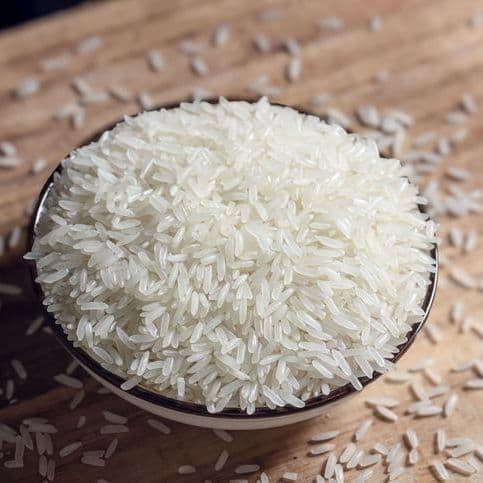
Rice
Rice is a staple food for a significant portion of the world's population, particularly in Asia, Africa, and Latin America. It is the seed of grass species Oryza sativa or Oryza glaberrima, depending on the variety, and it is one of the most widely consumed cereal grains globally. Here are some key points about rice: Varieties: There are many varieties of rice, each with its own characteristics such as grain length, texture, and flavor. Some common types include long-grain rice (such as Basmati and Jasmine), medium-grain rice (like Arborio and Calrose), and short-grain rice (including sushi rice and sticky rice). Nutritional Value: Rice is a good source of carbohydrates, which provide energy, and it also contains small amounts of protein and fiber. Brown rice, which retains the bran and germ layers, is considered more nutritious than white rice as it contains more vitamins, minerals, and fiber. Cultural Significance: Rice plays a significant role in the cultures and cuisines of many countries. It is used in a wide variety of dishes, including pilafs, stir-fries, sushi, risottos, and rice puddings. In some cultures, rice holds symbolic importance and is a part of traditional rituals and ceremonies. Production: Rice cultivation typically requires flooded fields or paddies, especially for varieties like Asian rice. It is grown in diverse climates, from tropical to temperate regions, with Asia being the largest producer and consumer of rice globally. Other major rice-producing countries include India, China, Indonesia, Bangladesh, Vietnam, and Thailand. Trade: Rice is traded extensively on the global market. Major exporting countries often include Thailand, Vietnam, India, the United States, and Pakistan, while importers include countries where rice is a dietary staple or where domestic production cannot meet demand. Overall, rice is a versatile and important food crop that provides sustenance for billions of people worldwide and plays a crucial role in global food security.
Siegro International LLP
india
Rice
TraderAsk for Price
Rice is a staple food for a significant portion of the world's population, particularly in Asia, Africa, and Latin America. It is the seed of grass species Oryza sativa or Oryza glaberrima, depending on the variety, and it is one of the most widely consumed cereal grains globally. Here are some key points about rice: Varieties: There are many varieties of rice, each with its own characteristics such as grain length, texture, and flavor. Some common types include long-grain rice (such as Basmati and Jasmine), medium-grain rice (like Arborio and Calrose), and short-grain rice (including sushi rice and sticky rice). Nutritional Value: Rice is a good source of carbohydrates, which provide energy, and it also contains small amounts of protein and fiber. Brown rice, which retains the bran and germ layers, is considered more nutritious than white rice as it contains more vitamins, minerals, and fiber. Cultural Significance: Rice plays a significant role in the cultures and cuisines of many countries. It is used in a wide variety of dishes, including pilafs, stir-fries, sushi, risottos, and rice puddings. In some cultures, rice holds symbolic importance and is a part of traditional rituals and ceremonies. Production: Rice cultivation typically requires flooded fields or paddies, especially for varieties like Asian rice. It is grown in diverse climates, from tropical to temperate regions, with Asia being the largest producer and consumer of rice globally. Other major rice-producing countries include India, China, Indonesia, Bangladesh, Vietnam, and Thailand. Trade: Rice is traded extensively on the global market. Major exporting countries often include Thailand, Vietnam, India, the United States, and Pakistan, while importers include countries where rice is a dietary staple or where domestic production cannot meet demand. Overall, rice is a versatile and important food crop that provides sustenance for billions of people worldwide and plays a crucial role in global food security.
Siegro International LLP
Business Reviews & Ratings
Verified ratings and feedback from corporate clients sourcing from Siegro International LLP .
Based on 0 Reviews
Supplier Performance
Loading reviews...
Corporate Factsheet
| Corporate Name | Siegro International LLP |
| Company CEO | Ayesha Saiyed |
| Year Established | 2023 |
| Registered Address | 204, Suncity, Bhanki Stadium Surat Gujarat India 395005 |
Direct Supplier Lead
Send business requirements directly to the owner.