
Business Type
Manufacturer
Catalog Products
4 Active Items
Year Established
—
Location
India
About Shree Khatushyamji Group Khatu
No detailed business statement provided.
Product Showcase4 items
Explore our inventory catalog. Instant quotes available.

Jameson Dhoop Sticks
The basic ingredients of an incense stick are bamboo sticks, paste (generally made of charcoal dust or sawdust and joss/jiggit/gum/tabu powder – an adhesive made from the bark of litsea glutinosa and other trees),[5] and the perfume ingredients – which traditionally would be a masala (powder of ground ingredients),[5] though more commonly is a solvent of perfumes and/or essential oils.[6] After the base paste has been applied to the bamboo stick, it is either, in the traditional method, while still moist, immediately rolled into the masala, or, more commonly, left for several days to dry, and then dipped into the scented solvent. Various resins, such as amber, myrrh, frankincense, and halmaddi (the resin of a tree) are used in traditional masala incense,[7] usually as a fragrant binding ingredient,[8] and these will add their distinctive fragrance to the finished incense. Some resins, such as gum Arabic,[9] may be used where it is desirable for the binding agent to have no fragrance of its own. Halmaddi has a particular interest to Western consumers,[10] possibly through its association with the popular Satya Nag Champa.[11] It is an earth coloured liquid resin drawn from the Ailanthus triphysa tree; as with other resins, it is a viscous semi-liquid when fresh, it hardens to a brittle solid as it evaporates and ages.[12] Some incense makers mix it with honey in order to keep it pliable. Due to crude extraction methods which resulted in trees dying, by the 1990s the Forest Department in India had banned resin extraction;[13] this forced up the price of halmaddi, so its usage in incense making declined. In 2011, extraction was allowed under leasing agreements,[14] which increased in 2013, though production is still sufficiently limited for the resin to sometimes be stolen via improper extraction to be sold on the black market.[15] The oldest source on incense is the Vedas, specifically, the Atharva-veda and the Rigveda, which set out and encouraged a uniform method of making incense. Although Vedic texts mention the use of incense for masking odours and creating a pleasurable smell, the modern system of organized incense-making was likely created by the medicinal priests of the time. Thus, modern, organized incense-making is intrinsically linked to the Ayurvedic medical system in which it is rooted.[16] The method of incense making with a bamboo stick as a core originated in India at the end of the 19th century, largely replacing the rolled, extruded or shaped method which is still used in India for dhoop and cones, and for most shapes of incense in Nepal/Tibet and Japan. Other main forms of incense are cones and logs and benzoin resin (or sambrani), which are incense paste formed into pyramid shapes or log shapes, and then dried.
Shree Khatushyamji Group Khatu
Jameson Dhoop Sticks
ManufacturerAsk for Price
The basic ingredients of an incense stick are bamboo sticks, paste (generally made of charcoal dust or sawdust and joss/jiggit/gum/tabu powder – an adhesive made from the bark of litsea glutinosa and other trees),[5] and the perfume ingredients – which traditionally would be a masala (powder of ground ingredients),[5] though more commonly is a solvent of perfumes and/or essential oils.[6] After the base paste has been applied to the bamboo stick, it is either, in the traditional method, while still moist, immediately rolled into the masala, or, more commonly, left for several days to dry, and then dipped into the scented solvent. Various resins, such as amber, myrrh, frankincense, and halmaddi (the resin of a tree) are used in traditional masala incense,[7] usually as a fragrant binding ingredient,[8] and these will add their distinctive fragrance to the finished incense. Some resins, such as gum Arabic,[9] may be used where it is desirable for the binding agent to have no fragrance of its own. Halmaddi has a particular interest to Western consumers,[10] possibly through its association with the popular Satya Nag Champa.[11] It is an earth coloured liquid resin drawn from the Ailanthus triphysa tree; as with other resins, it is a viscous semi-liquid when fresh, it hardens to a brittle solid as it evaporates and ages.[12] Some incense makers mix it with honey in order to keep it pliable. Due to crude extraction methods which resulted in trees dying, by the 1990s the Forest Department in India had banned resin extraction;[13] this forced up the price of halmaddi, so its usage in incense making declined. In 2011, extraction was allowed under leasing agreements,[14] which increased in 2013, though production is still sufficiently limited for the resin to sometimes be stolen via improper extraction to be sold on the black market.[15] The oldest source on incense is the Vedas, specifically, the Atharva-veda and the Rigveda, which set out and encouraged a uniform method of making incense. Although Vedic texts mention the use of incense for masking odours and creating a pleasurable smell, the modern system of organized incense-making was likely created by the medicinal priests of the time. Thus, modern, organized incense-making is intrinsically linked to the Ayurvedic medical system in which it is rooted.[16] The method of incense making with a bamboo stick as a core originated in India at the end of the 19th century, largely replacing the rolled, extruded or shaped method which is still used in India for dhoop and cones, and for most shapes of incense in Nepal/Tibet and Japan. Other main forms of incense are cones and logs and benzoin resin (or sambrani), which are incense paste formed into pyramid shapes or log shapes, and then dried.

Shree Khatushyamji Group Khatu

Khatu Shyam Dhoop Sticks
Dhupa (धुप) is, in Indian religions (such as Hinduism, Buddhism, Jainism, etc.), the ritual offering of incense during puja to an image of a deity, or other object of veneration. It is also the Sanskrit word for incense or perfume itself. The Thai language also borrows this word from Sanskrit to call joss sticks or incense sticks, by omitting "a" in the word Dhupa. So, the word retains the Sanskrit form when it is written in the Thai alphabet as "Dhup" (ธูป). However, Sanskrit's ⟨dh⟩ ([dʱ]) is pronounced as an aspirated [tʰ] in Thai so that the word is normally pronounced or transliterated as "Thup" ([tʰûːp]). Incense burning before images, in temples and during prayer practice is also found in many parts of Asia, among followers of Jainism, Sikhism, Buddhism and Taoism. The very idea of offering dhupa is personified in the dakini Dhupa, who is said in the Bardo Thödol to appear on the third day.[1]
Shree Khatushyamji Group Khatu
Khatu Shyam Dhoop Sticks
ManufacturerAsk for Price
Dhupa (धुप) is, in Indian religions (such as Hinduism, Buddhism, Jainism, etc.), the ritual offering of incense during puja to an image of a deity, or other object of veneration. It is also the Sanskrit word for incense or perfume itself. The Thai language also borrows this word from Sanskrit to call joss sticks or incense sticks, by omitting "a" in the word Dhupa. So, the word retains the Sanskrit form when it is written in the Thai alphabet as "Dhup" (ธูป). However, Sanskrit's ⟨dh⟩ ([dʱ]) is pronounced as an aspirated [tʰ] in Thai so that the word is normally pronounced or transliterated as "Thup" ([tʰûːp]). Incense burning before images, in temples and during prayer practice is also found in many parts of Asia, among followers of Jainism, Sikhism, Buddhism and Taoism. The very idea of offering dhupa is personified in the dakini Dhupa, who is said in the Bardo Thödol to appear on the third day.[1]
Shree Khatushyamji Group Khatu
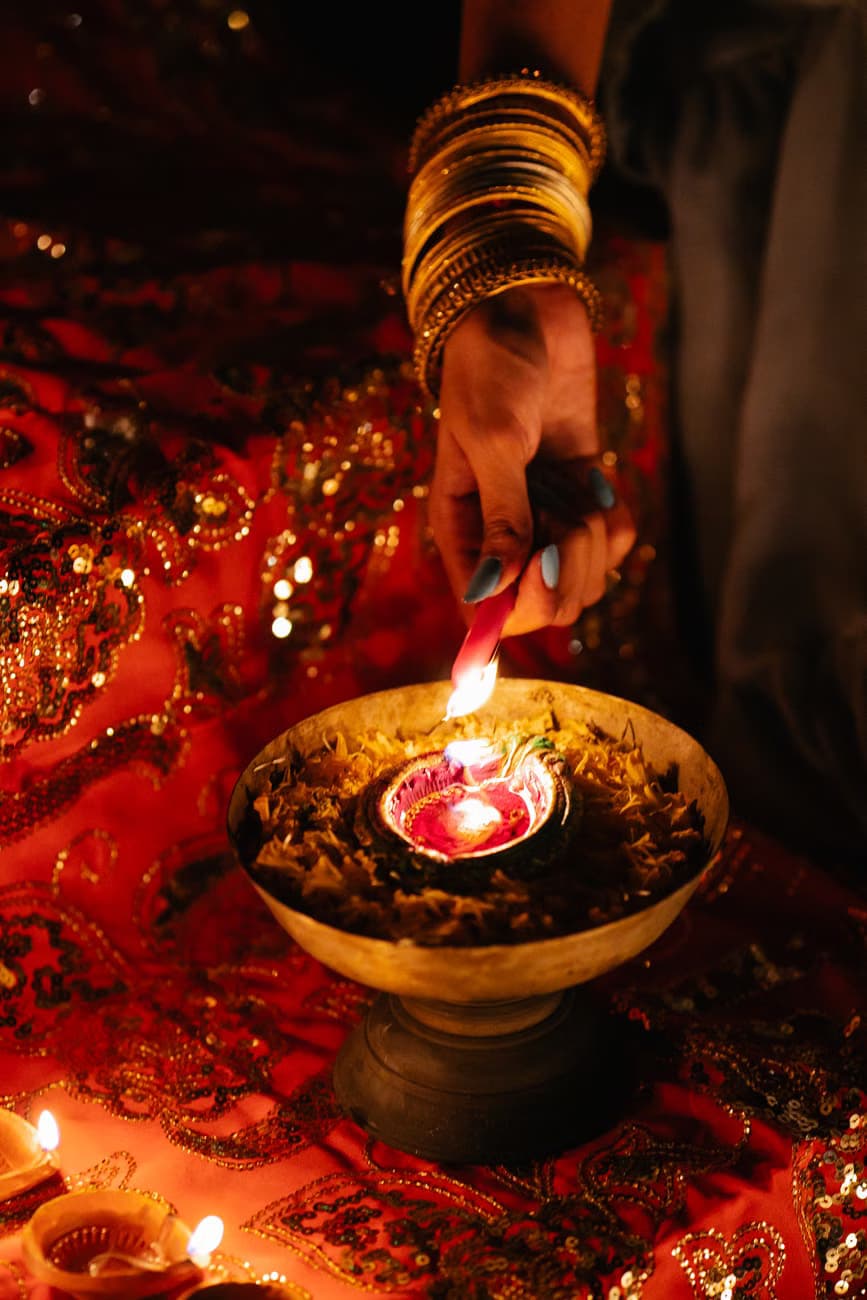
Khatu Shyam Dhoop Cone
The basic ingredients of an incense stick are bamboo sticks, paste (generally made of charcoal dust or sawdust and joss/jiggit/gum/tabu powder – an adhesive made from the bark of litsea glutinosa and other trees),[5] and the perfume ingredients – which traditionally would be a masala (powder of ground ingredients),[5] though more commonly is a solvent of perfumes and/or essential oils.[6] After the base paste has been applied to the bamboo stick, it is either, in the traditional method, while still moist, immediately rolled into the masala, or, more commonly, left for several days to dry, and then dipped into the scented solvent. Various resins, such as amber, myrrh, frankincense, and halmaddi (the resin of a tree) are used in traditional masala incense,[7] usually as a fragrant binding ingredient,[8] and these will add their distinctive fragrance to the finished incense. Some resins, such as gum Arabic,[9] may be used where it is desirable for the binding agent to have no fragrance of its own. Halmaddi has a particular interest to Western consumers,[10] possibly through its association with the popular Satya Nag Champa.[11] It is an earth coloured liquid resin drawn from the Ailanthus triphysa tree; as with other resins, it is a viscous semi-liquid when fresh, it hardens to a brittle solid as it evaporates and ages.[12] Some incense makers mix it with honey in order to keep it pliable. Due to crude extraction methods which resulted in trees dying, by the 1990s the Forest Department in India had banned resin extraction;[13] this forced up the price of halmaddi, so its usage in incense making declined. In 2011, extraction was allowed under leasing agreements,[14] which increased in 2013, though production is still sufficiently limited for the resin to sometimes be stolen via improper extraction to be sold on the black market.[15] The oldest source on incense is the Vedas, specifically, the Atharva-veda and the Rigveda, which set out and encouraged a uniform method of making incense. Although Vedic texts mention the use of incense for masking odours and creating a pleasurable smell, the modern system of organized incense-making was likely created by the medicinal priests of the time. Thus, modern, organized incense-making is intrinsically linked to the Ayurvedic medical system in which it is rooted.[16] The method of incense making with a bamboo stick as a core originated in India at the end of the 19th century, largely replacing the rolled, extruded or shaped method which is still used in India for dhoop and cones, and for most shapes of incense in Nepal/Tibet and Japan. Other main forms of incense are cones and logs and benzoin resin (or sambrani), which are incense paste formed into pyramid shapes or log shapes, and then dried.
Shree Khatushyamji Group Khatu
Khatu Shyam Dhoop Cone
ManufacturerAsk for Price
The basic ingredients of an incense stick are bamboo sticks, paste (generally made of charcoal dust or sawdust and joss/jiggit/gum/tabu powder – an adhesive made from the bark of litsea glutinosa and other trees),[5] and the perfume ingredients – which traditionally would be a masala (powder of ground ingredients),[5] though more commonly is a solvent of perfumes and/or essential oils.[6] After the base paste has been applied to the bamboo stick, it is either, in the traditional method, while still moist, immediately rolled into the masala, or, more commonly, left for several days to dry, and then dipped into the scented solvent. Various resins, such as amber, myrrh, frankincense, and halmaddi (the resin of a tree) are used in traditional masala incense,[7] usually as a fragrant binding ingredient,[8] and these will add their distinctive fragrance to the finished incense. Some resins, such as gum Arabic,[9] may be used where it is desirable for the binding agent to have no fragrance of its own. Halmaddi has a particular interest to Western consumers,[10] possibly through its association with the popular Satya Nag Champa.[11] It is an earth coloured liquid resin drawn from the Ailanthus triphysa tree; as with other resins, it is a viscous semi-liquid when fresh, it hardens to a brittle solid as it evaporates and ages.[12] Some incense makers mix it with honey in order to keep it pliable. Due to crude extraction methods which resulted in trees dying, by the 1990s the Forest Department in India had banned resin extraction;[13] this forced up the price of halmaddi, so its usage in incense making declined. In 2011, extraction was allowed under leasing agreements,[14] which increased in 2013, though production is still sufficiently limited for the resin to sometimes be stolen via improper extraction to be sold on the black market.[15] The oldest source on incense is the Vedas, specifically, the Atharva-veda and the Rigveda, which set out and encouraged a uniform method of making incense. Although Vedic texts mention the use of incense for masking odours and creating a pleasurable smell, the modern system of organized incense-making was likely created by the medicinal priests of the time. Thus, modern, organized incense-making is intrinsically linked to the Ayurvedic medical system in which it is rooted.[16] The method of incense making with a bamboo stick as a core originated in India at the end of the 19th century, largely replacing the rolled, extruded or shaped method which is still used in India for dhoop and cones, and for most shapes of incense in Nepal/Tibet and Japan. Other main forms of incense are cones and logs and benzoin resin (or sambrani), which are incense paste formed into pyramid shapes or log shapes, and then dried.
Shree Khatushyamji Group Khatu
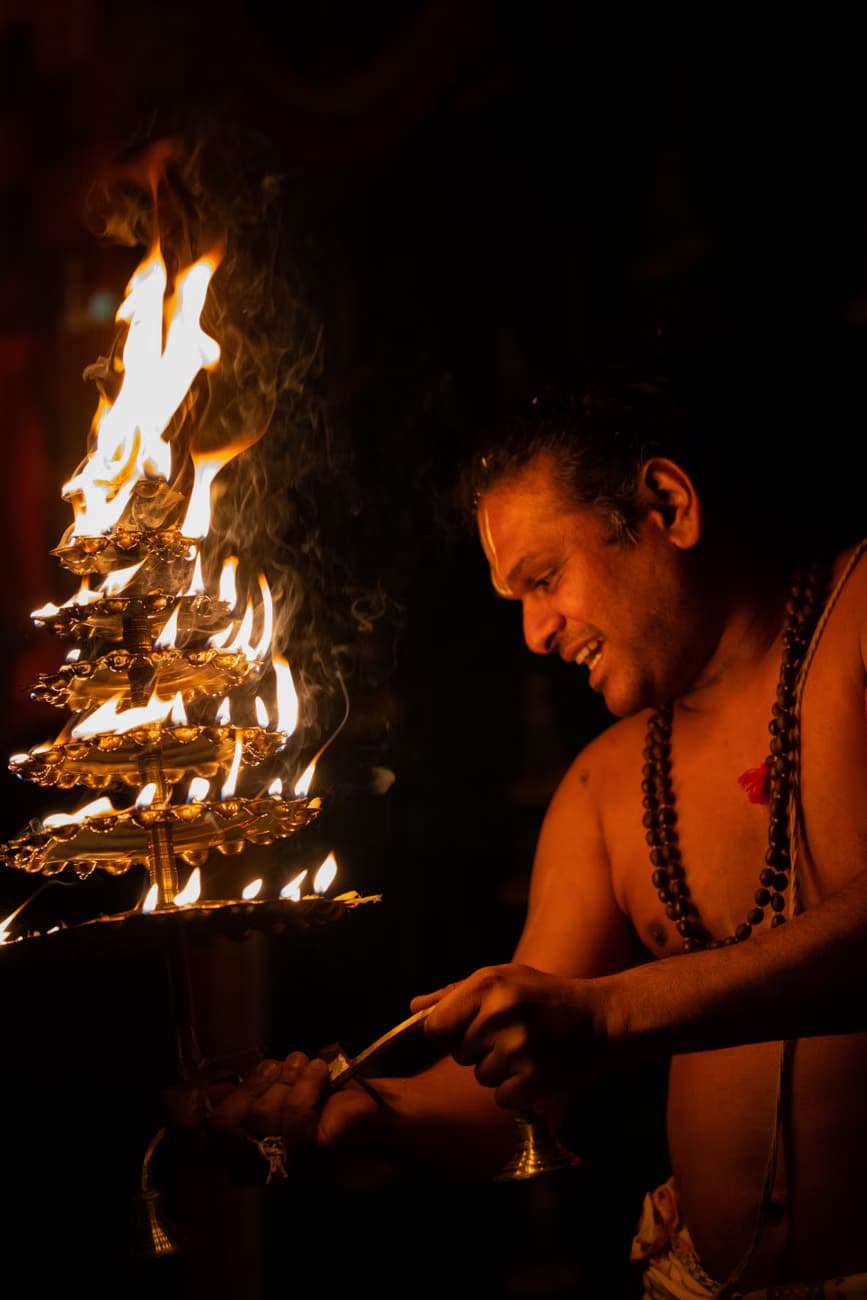
Khatu Shyam Incense Sticks
Incense is aromatic biotic material that releases fragrant smoke when burnt. The term is used for either the material or the aroma.[1] Incense is used for aesthetic reasons, religious worship, aromatherapy, meditation, and ceremony. It may also be used as a simple deodorant or insect repellent.[2][3][4][5] Incense is composed of aromatic plant materials, often combined with essential oils.[6] The forms taken by incense differ with the underlying culture, and have changed with advances in technology and increasing number of uses.[7] Incense can generally be separated into two main types: "indirect-burning" and "direct-burning". Indirect-burning incense (or "non-combustible incense") is not capable of burning on its own, and requires a separate heat source. Direct-burning incense (or "combustible incense") is lit directly by a flame and then fanned or blown out, leaving a glowing ember that smoulders and releases a smoky fragrance. Direct-burning incense is either a paste formed around a bamboo stick, or a paste that is extruded into a stick or cone shape.
Shree Khatushyamji Group Khatu
Khatu Shyam Incense Sticks
ManufacturerAsk for Price
Incense is aromatic biotic material that releases fragrant smoke when burnt. The term is used for either the material or the aroma.[1] Incense is used for aesthetic reasons, religious worship, aromatherapy, meditation, and ceremony. It may also be used as a simple deodorant or insect repellent.[2][3][4][5] Incense is composed of aromatic plant materials, often combined with essential oils.[6] The forms taken by incense differ with the underlying culture, and have changed with advances in technology and increasing number of uses.[7] Incense can generally be separated into two main types: "indirect-burning" and "direct-burning". Indirect-burning incense (or "non-combustible incense") is not capable of burning on its own, and requires a separate heat source. Direct-burning incense (or "combustible incense") is lit directly by a flame and then fanned or blown out, leaving a glowing ember that smoulders and releases a smoky fragrance. Direct-burning incense is either a paste formed around a bamboo stick, or a paste that is extruded into a stick or cone shape.
Shree Khatushyamji Group Khatu
Business Reviews & Ratings
Verified ratings and feedback from corporate clients sourcing from Shree Khatushyamji Group Khatu .
Based on 0 Reviews
Supplier Performance
Loading reviews...
Corporate Factsheet
| Corporate Name | Shree Khatushyamji Group Khatu |
| Company CEO | Arjun singh |
| Year Established | 2024 |
| Registered Address | H-20 , Bali Nagar, Delhi, India |
Direct Supplier Lead
Send business requirements directly to the owner.