
Business Type
Manufacturer
Catalog Products
7 Active Items
Year Established
—
Location
India
About Shivam Enterprises
No detailed business statement provided.
Product Showcase7 items
Explore our inventory catalog. Instant quotes available.
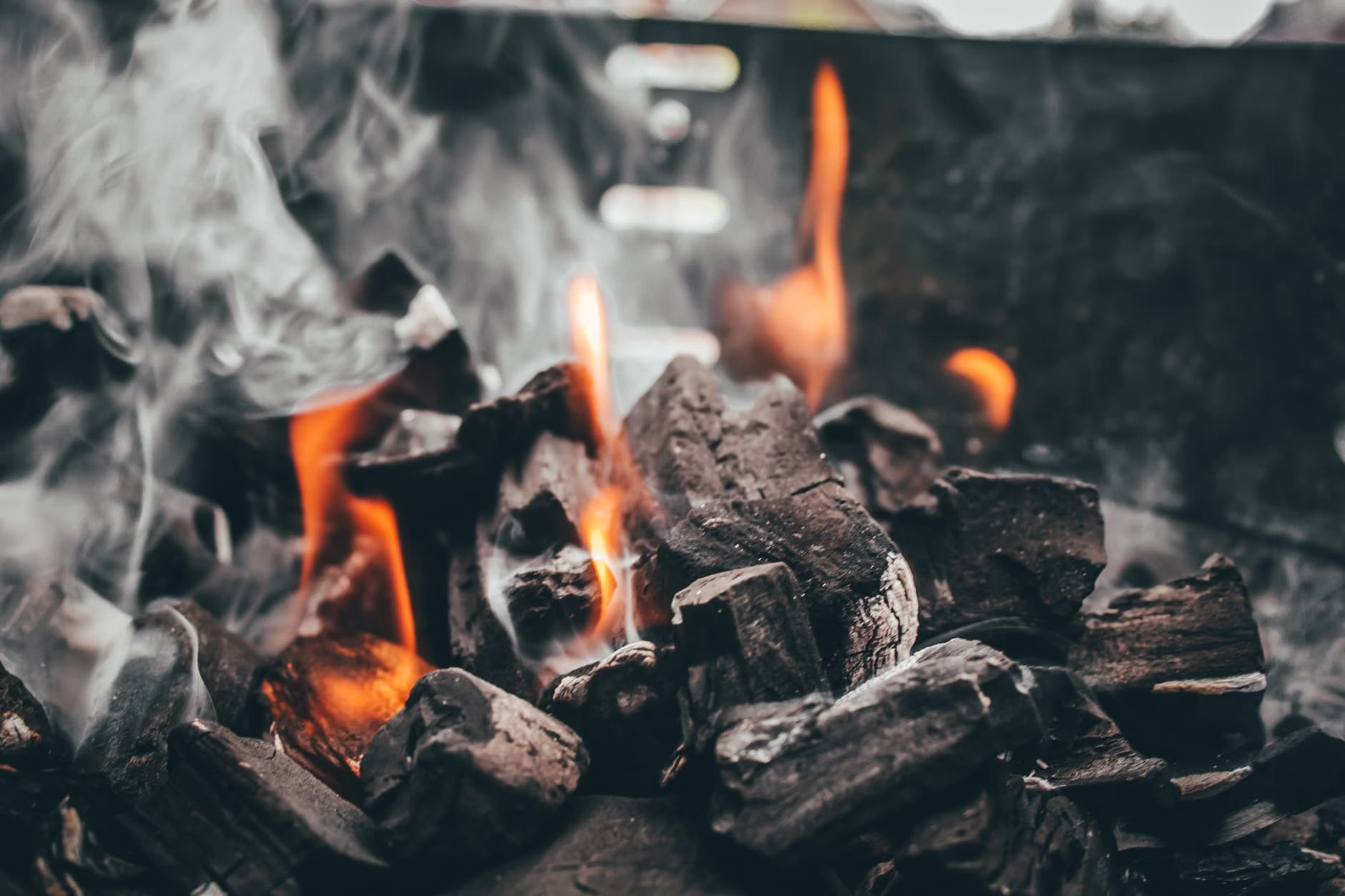
Briquette Charcoal
Coal Briquettes ₹ 30/ Kg Get Latest Price Coal Calorific 6500 j Shape Briquette Ash Content 20 Color Black We are engaged in offering Coal Briquettes. Features: - Good calorific value - Not much ash content
Shivam Enterprises
Briquette Charcoal
ManufacturerAsk for Price
Coal Briquettes ₹ 30/ Kg Get Latest Price Coal Calorific 6500 j Shape Briquette Ash Content 20 Color Black We are engaged in offering Coal Briquettes. Features: - Good calorific value - Not much ash content

Shivam Enterprises

Silico Manganese Dust
Manganese is a chemical element with the symbol Mn and atomic number 25. It is a hard, brittle, silvery metal, often found in minerals in combination with iron. Manganese is a transition metal with a multifaceted array of industrial alloy uses, particularly in stainless steels. It improves strength, workability, and resistance to wear. Manganese oxide is used as an oxidising agent; as a rubber additive; and in glass making, fertilisers, and ceramics. Manganese sulfate can be used as a fungicide. Manganese is also an essential human dietary element, important in macronutrient metabolism, bone formation, and free radical defense systems. It is a critical component in dozens of proteins and enzymes.[3] It is found mostly in the bones, but also the liver, kidneys, and brain.[4] In the human brain, the manganese is bound to manganese metalloproteins, most notably glutamine synthetase in astrocytes. Manganese was first isolated in 1774. It is familiar in the laboratory in the form of the deep violet salt potassium permanganate. It occurs at the active sites in some enzymes.[5] Of particular interest is the use of a Mn-O cluster, the oxygen-evolving complex, in the production of oxygen by plants.
Shivam Enterprises
Silico Manganese Dust
ManufacturerAsk for Price
Manganese is a chemical element with the symbol Mn and atomic number 25. It is a hard, brittle, silvery metal, often found in minerals in combination with iron. Manganese is a transition metal with a multifaceted array of industrial alloy uses, particularly in stainless steels. It improves strength, workability, and resistance to wear. Manganese oxide is used as an oxidising agent; as a rubber additive; and in glass making, fertilisers, and ceramics. Manganese sulfate can be used as a fungicide. Manganese is also an essential human dietary element, important in macronutrient metabolism, bone formation, and free radical defense systems. It is a critical component in dozens of proteins and enzymes.[3] It is found mostly in the bones, but also the liver, kidneys, and brain.[4] In the human brain, the manganese is bound to manganese metalloproteins, most notably glutamine synthetase in astrocytes. Manganese was first isolated in 1774. It is familiar in the laboratory in the form of the deep violet salt potassium permanganate. It occurs at the active sites in some enzymes.[5] Of particular interest is the use of a Mn-O cluster, the oxygen-evolving complex, in the production of oxygen by plants.
Shivam Enterprises
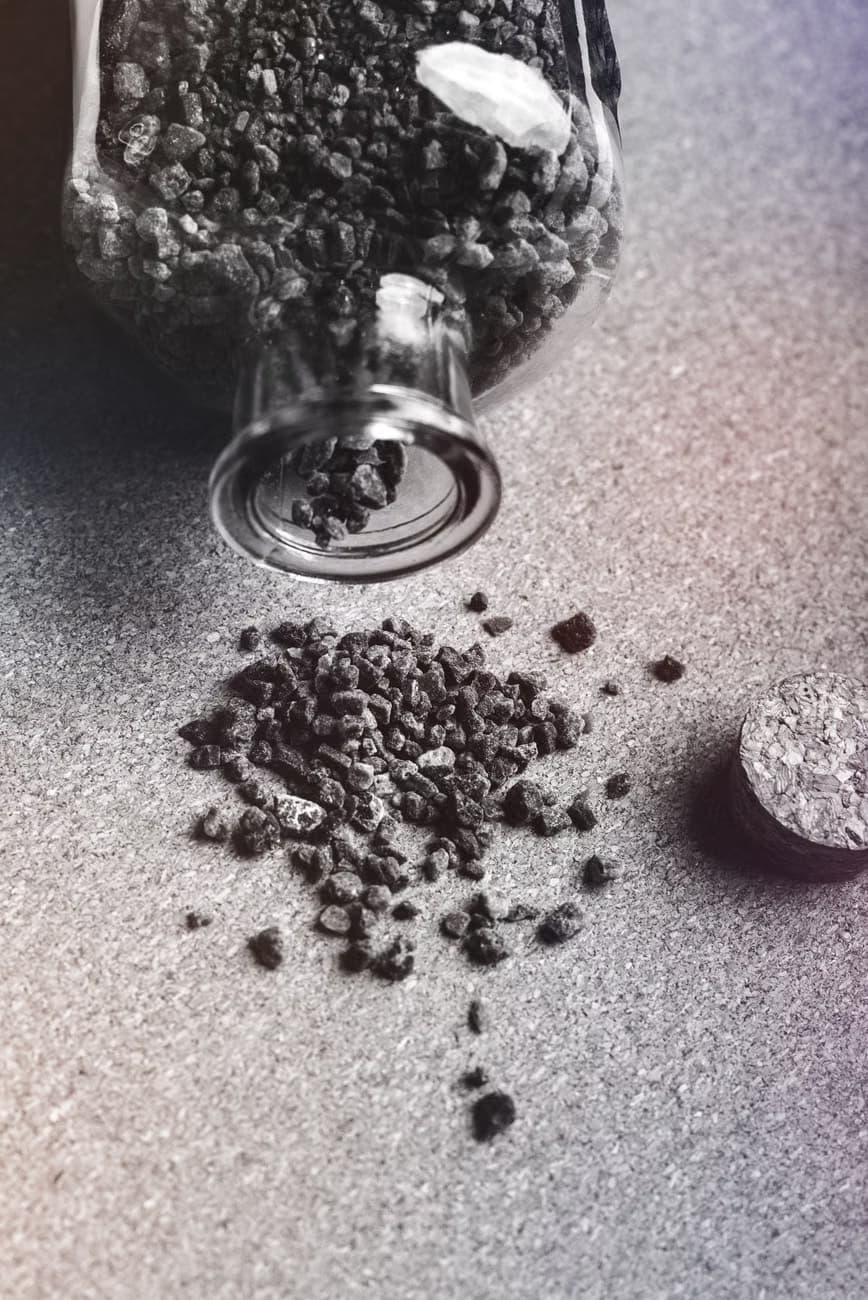
Activated Charcoal Granules
Activated charcoal, also known as activated carbon, is a medication used to treat poisonings that occurred by mouth.[1] To be effective it must be used within a short time of the poisoning occurring, typically an hour.[1][2] It does not work for poisonings by cyanide, corrosive agents, iron, lithium, alcohols, or malathion.[2] It may be taken by mouth or given by a nasogastric tube.[3] Other uses include inside hemoperfusion machines.[1] Common side effects include vomiting, black stools, diarrhea, and constipation.[1] A more serious side effect, pneumonitis, may result if aspirated into the lungs.[1][2] Gastrointestinal obstruction and ileus are less common but serious adverse effects.[1] Use in pregnancy and breastfeeding is generally safe.[3] Activated charcoal works by adsorbing the toxin.[1] While charcoal has been used since ancient times for poisonings, activated charcoal has been used since the 1900s.[4][5] It is on the World Health Organization's List of Essential Medicines.[6]
Shivam Enterprises
Activated Charcoal Granules
ManufacturerAsk for Price
Activated charcoal, also known as activated carbon, is a medication used to treat poisonings that occurred by mouth.[1] To be effective it must be used within a short time of the poisoning occurring, typically an hour.[1][2] It does not work for poisonings by cyanide, corrosive agents, iron, lithium, alcohols, or malathion.[2] It may be taken by mouth or given by a nasogastric tube.[3] Other uses include inside hemoperfusion machines.[1] Common side effects include vomiting, black stools, diarrhea, and constipation.[1] A more serious side effect, pneumonitis, may result if aspirated into the lungs.[1][2] Gastrointestinal obstruction and ileus are less common but serious adverse effects.[1] Use in pregnancy and breastfeeding is generally safe.[3] Activated charcoal works by adsorbing the toxin.[1] While charcoal has been used since ancient times for poisonings, activated charcoal has been used since the 1900s.[4][5] It is on the World Health Organization's List of Essential Medicines.[6]
Shivam Enterprises
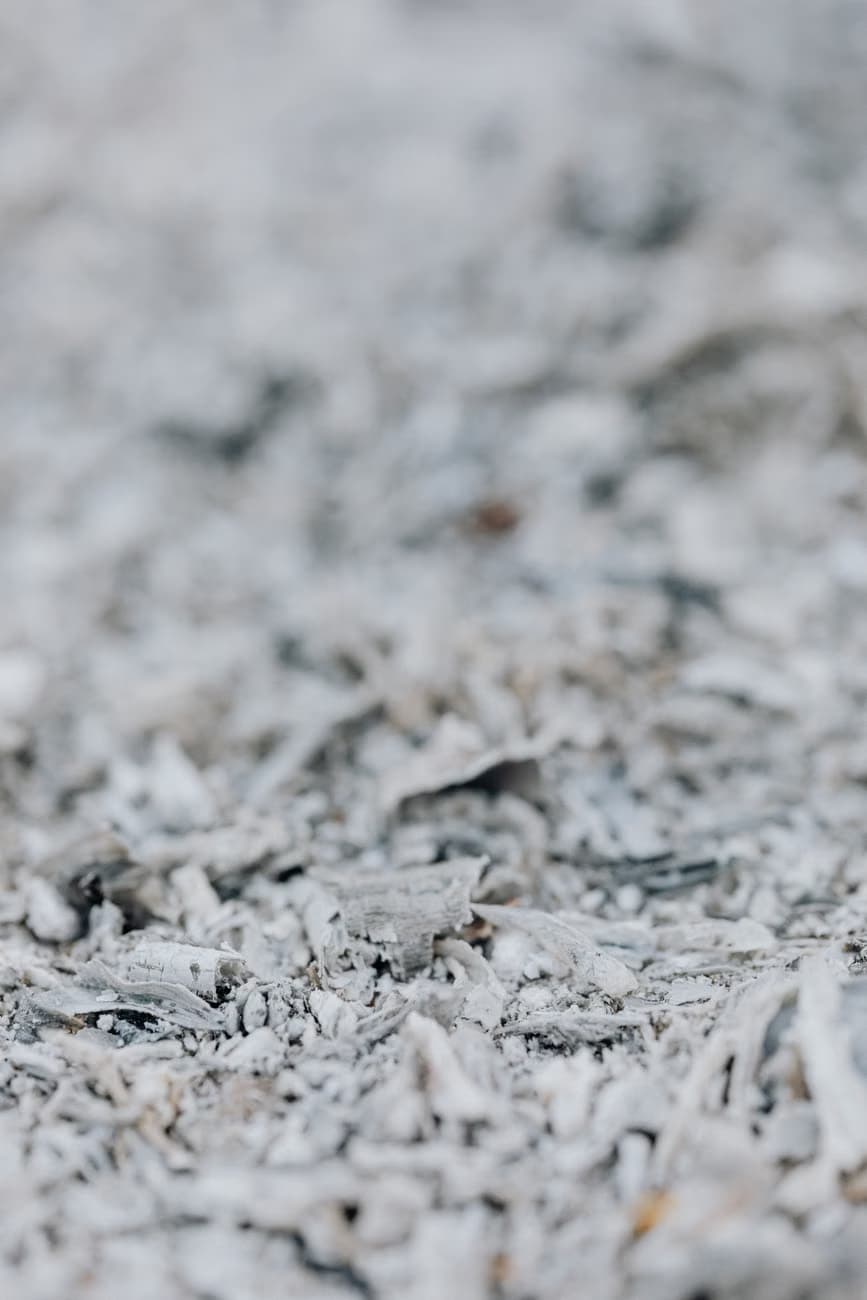
Dry Fly Ash Powder
Fly ash, flue ash, coal ash, or pulverised fuel ash (in the UK) – plurale tantum: coal combustion residuals (CCRs) – is a coal combustion product that is composed of the particulates (fine particles of burned fuel) that are driven out of coal-fired boilers together with the flue gases. Ash that falls to the bottom of the boiler's combustion chamber (commonly called a firebox) is called bottom ash. In modern coal-fired power plants, fly ash is generally captured by electrostatic precipitators or other particle filtration equipment before the flue gases reach the chimneys. Together with bottom ash removed from the bottom of the boiler, it is known as coal ash. Depending upon the source and composition of the coal being burned, the components of fly ash vary considerably, but all fly ash includes substantial amounts of silicon dioxide (SiO2) (both amorphous and crystalline), aluminium oxide (Al2O3) and calcium oxide (CaO), the main mineral compounds in coal-bearing rock strata. The use of fly ash as a lightweight aggregate (LWA) offers a valuable opportunity to recycle one of the largest waste streams in the US. In addition, fly ash can offer many benefits, both economically and environmentally when utilized as a LWA. The minor constituents of fly ash depend upon the specific coal bed composition but may include one or more of the following elements or compounds found in trace concentrations (up to hundreds ppm): gallium, arsenic, beryllium, boron, cadmium, chromium, hexavalent chromium, cobalt, lead, manganese, mercury, molybdenum, selenium, strontium, thallium, and vanadium, along with very small concentrations of dioxins and PAH compounds.[1][2] It also has unburnt carbon.[3][4] In the past, fly ash was generally released into the atmosphere, but air pollution control standards now require that it be captured prior to release by fitting pollution control equipment. In the United States, fly ash is generally stored at coal power plants or placed in landfills. About 43% is recycled,[5] often used as a pozzolan to produce hydraulic cement or hydraulic plaster and a replacement or partial replacement for Portland cement in concrete production. Pozzolans ensure the setting of concrete and plaster and provide concrete with more protection from wet conditions and chemical attack.
Shivam Enterprises
Dry Fly Ash Powder
ManufacturerAsk for Price
Fly ash, flue ash, coal ash, or pulverised fuel ash (in the UK) – plurale tantum: coal combustion residuals (CCRs) – is a coal combustion product that is composed of the particulates (fine particles of burned fuel) that are driven out of coal-fired boilers together with the flue gases. Ash that falls to the bottom of the boiler's combustion chamber (commonly called a firebox) is called bottom ash. In modern coal-fired power plants, fly ash is generally captured by electrostatic precipitators or other particle filtration equipment before the flue gases reach the chimneys. Together with bottom ash removed from the bottom of the boiler, it is known as coal ash. Depending upon the source and composition of the coal being burned, the components of fly ash vary considerably, but all fly ash includes substantial amounts of silicon dioxide (SiO2) (both amorphous and crystalline), aluminium oxide (Al2O3) and calcium oxide (CaO), the main mineral compounds in coal-bearing rock strata. The use of fly ash as a lightweight aggregate (LWA) offers a valuable opportunity to recycle one of the largest waste streams in the US. In addition, fly ash can offer many benefits, both economically and environmentally when utilized as a LWA. The minor constituents of fly ash depend upon the specific coal bed composition but may include one or more of the following elements or compounds found in trace concentrations (up to hundreds ppm): gallium, arsenic, beryllium, boron, cadmium, chromium, hexavalent chromium, cobalt, lead, manganese, mercury, molybdenum, selenium, strontium, thallium, and vanadium, along with very small concentrations of dioxins and PAH compounds.[1][2] It also has unburnt carbon.[3][4] In the past, fly ash was generally released into the atmosphere, but air pollution control standards now require that it be captured prior to release by fitting pollution control equipment. In the United States, fly ash is generally stored at coal power plants or placed in landfills. About 43% is recycled,[5] often used as a pozzolan to produce hydraulic cement or hydraulic plaster and a replacement or partial replacement for Portland cement in concrete production. Pozzolans ensure the setting of concrete and plaster and provide concrete with more protection from wet conditions and chemical attack.
Shivam Enterprises
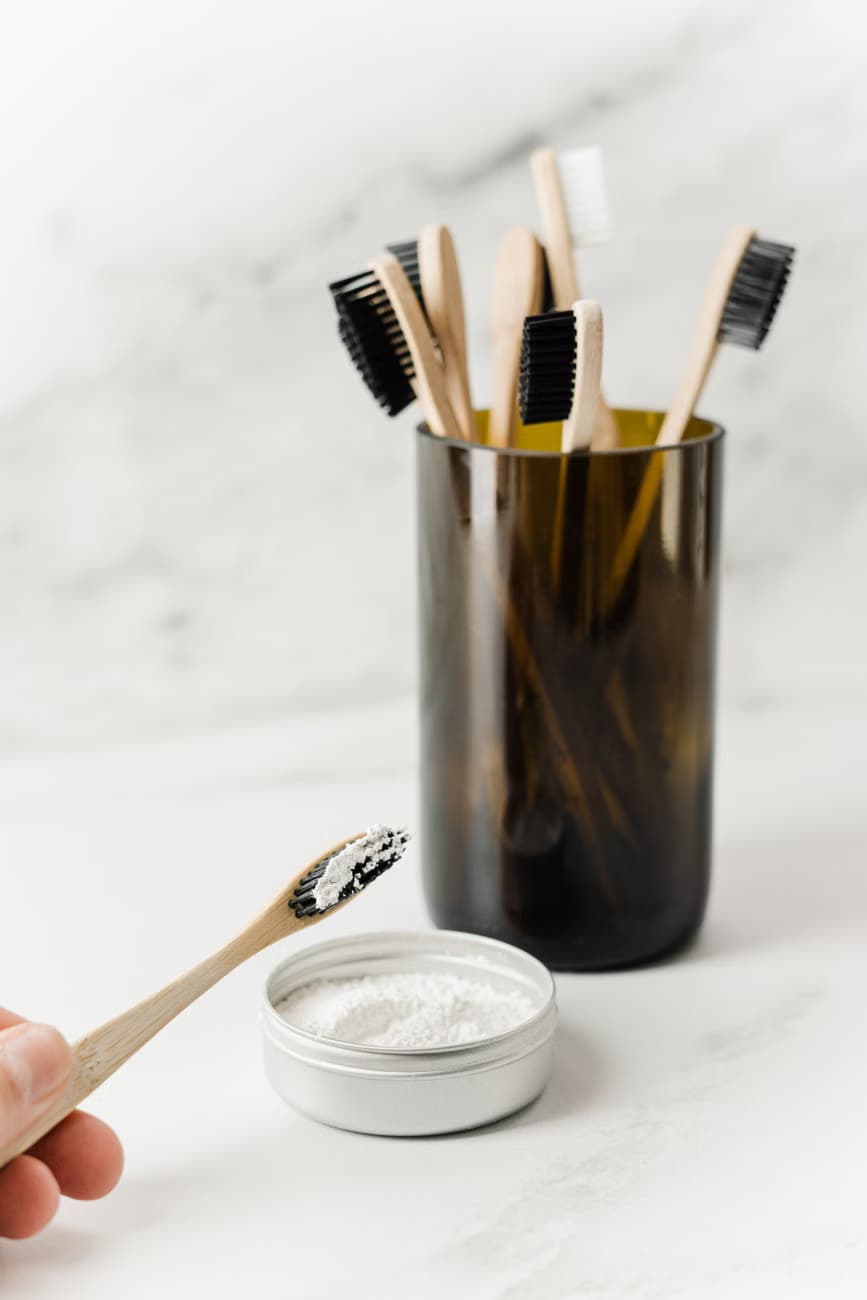
Activated Charcoal Powder
Activated charcoal, also known as activated carbon, is a medication used to treat poisonings that occurred by mouth.[1] To be effective it must be used within a short time of the poisoning occurring, typically an hour.[1][2] It does not work for poisonings by cyanide, corrosive agents, iron, lithium, alcohols, or malathion.[2] It may be taken by mouth or given by a nasogastric tube.[3] Other uses include inside hemoperfusion machines.[1] Common side effects include vomiting, black stools, diarrhea, and constipation.[1] A more serious side effect, pneumonitis, may result if aspirated into the lungs.[1][2] Gastrointestinal obstruction and ileus are less common but serious adverse effects.[1] Use in pregnancy and breastfeeding is generally safe.[3] Activated charcoal works by adsorbing the toxin.[1] While charcoal has been used since ancient times for poisonings, activated charcoal has been used since the 1900s.[4][5] It is on the World Health Organization's List of Essential Medicines.[6]
Shivam Enterprises
Activated Charcoal Powder
ManufacturerAsk for Price
Activated charcoal, also known as activated carbon, is a medication used to treat poisonings that occurred by mouth.[1] To be effective it must be used within a short time of the poisoning occurring, typically an hour.[1][2] It does not work for poisonings by cyanide, corrosive agents, iron, lithium, alcohols, or malathion.[2] It may be taken by mouth or given by a nasogastric tube.[3] Other uses include inside hemoperfusion machines.[1] Common side effects include vomiting, black stools, diarrhea, and constipation.[1] A more serious side effect, pneumonitis, may result if aspirated into the lungs.[1][2] Gastrointestinal obstruction and ileus are less common but serious adverse effects.[1] Use in pregnancy and breastfeeding is generally safe.[3] Activated charcoal works by adsorbing the toxin.[1] While charcoal has been used since ancient times for poisonings, activated charcoal has been used since the 1900s.[4][5] It is on the World Health Organization's List of Essential Medicines.[6]
Shivam Enterprises

Micro Silica Fume
Silica fume, also known as microsilica, (CAS number 69012-64-2, EINECS number 273-761-1) is an amorphous (non-crystalline) polymorph of silicon dioxide, silica. It is an ultrafine powder collected as a by-product of the silicon and ferrosilicon alloy production and consists of spherical particles with an average particle diameter of 150 nm. The main field of application is as pozzolanic material for high performance concrete. It is sometimes confused with fumed silica (also known as pyrogenic silica, CAS number 112945-52-5). However, the production process, particle characteristics and fields of application of fumed silica are all different from those of silica fume.The first testing of silica fume in Portland-cement-based concretes was carried out in 1952. The biggest drawback to exploring the properties of silica fume was a lack of material with which to experiment. Early research used an expensive additive called fumed silica, an amorphous form of silica made by combustion of silicon tetrachloride in a hydrogen-oxygen flame. Silica fume on the other hand, is a very fine pozzolanic, amorphous material, a by-product of the production of elemental silicon or ferrosilicon alloys in electric arc furnaces. Before the late 1960s in Europe and the mid-1970s in the United States, silica fumes were simply vented into the atmosphere. With the implementation of tougher environmental laws during the mid-1970s, silicon smelters began to collect the silica fume and search for its applications. The early work done in Norway received most of the attention, since it had shown that Portland cement-based-concretes containing silica fumes had very high strengths and low porosities. Since then the research and development of silica fume made it one of the world's most valuable and versatile admixtures for concrete and cementitious products.
Shivam Enterprises
Micro Silica Fume
ManufacturerAsk for Price
Silica fume, also known as microsilica, (CAS number 69012-64-2, EINECS number 273-761-1) is an amorphous (non-crystalline) polymorph of silicon dioxide, silica. It is an ultrafine powder collected as a by-product of the silicon and ferrosilicon alloy production and consists of spherical particles with an average particle diameter of 150 nm. The main field of application is as pozzolanic material for high performance concrete. It is sometimes confused with fumed silica (also known as pyrogenic silica, CAS number 112945-52-5). However, the production process, particle characteristics and fields of application of fumed silica are all different from those of silica fume.The first testing of silica fume in Portland-cement-based concretes was carried out in 1952. The biggest drawback to exploring the properties of silica fume was a lack of material with which to experiment. Early research used an expensive additive called fumed silica, an amorphous form of silica made by combustion of silicon tetrachloride in a hydrogen-oxygen flame. Silica fume on the other hand, is a very fine pozzolanic, amorphous material, a by-product of the production of elemental silicon or ferrosilicon alloys in electric arc furnaces. Before the late 1960s in Europe and the mid-1970s in the United States, silica fumes were simply vented into the atmosphere. With the implementation of tougher environmental laws during the mid-1970s, silicon smelters began to collect the silica fume and search for its applications. The early work done in Norway received most of the attention, since it had shown that Portland cement-based-concretes containing silica fumes had very high strengths and low porosities. Since then the research and development of silica fume made it one of the world's most valuable and versatile admixtures for concrete and cementitious products.
Shivam Enterprises
Business Reviews & Ratings
Verified ratings and feedback from corporate clients sourcing from Shivam Enterprises.
Based on 0 Reviews
Supplier Performance
Loading reviews...
Corporate Factsheet
| Corporate Name | Shivam Enterprises |
| Company CEO | Raj sharma |
| Year Established | 2024 |
| Registered Address | Opposite Bus Stand, Jaygaon, Alipurduar, West Bengal, India - 736182 |
Direct Supplier Lead
Send business requirements directly to the owner.