
Business Type
Manufacturer
Catalog Products
10 Active Items
Year Established
—
Location
India
About jodhpur Trends
No detailed business statement provided.
Product Showcase10 items
Explore our inventory catalog. Instant quotes available.

Decorative Items
Decoration may refer to: Decorative arts A house painter and decorator's craft An act or object intended to increase the beauty of a person, room, etc. An award that is a token of recognition to the recipient intended for wearingCake decorating, the art of making a usually ordinary cake visually interesting Christmas decoration, festive decorations used at Christmas time Decorations (John Ireland), a set of three pieces for piano solo composed in 1912–13 by John Ireland Decorator pattern, a design pattern used in object-oriented programming In-glaze decoration, a method of decorating ceramics - decoration applied before firing On-glaze decoration, a method of decorating ceramics - decoration applied after glazing In-mould decoration, a method of decorating moulded plastics Interior design, the internal finishing of a building Link decoration, the style of visual appearance of hyperlinks Name decoration, a technique used in most programming languages Syntax decoration, a form of enriched text presentation or syntax highlighting Text decoration, text attributation with styles like italics, boldface, underlines USB decoration, a decorative device that uses the Universal Serial Bus connector Web decoration, conspicuous silk structure in the webs of some spiders Window decoration, in computing are the window's visual elements drawn by a window manager Interior decorating, a process by which a person creates an emotionally and intellectually pleasing space for themselves and others to enjoy
jodhpur Trends
Decorative Items
ManufacturerAsk for Price
Decoration may refer to: Decorative arts A house painter and decorator's craft An act or object intended to increase the beauty of a person, room, etc. An award that is a token of recognition to the recipient intended for wearingCake decorating, the art of making a usually ordinary cake visually interesting Christmas decoration, festive decorations used at Christmas time Decorations (John Ireland), a set of three pieces for piano solo composed in 1912–13 by John Ireland Decorator pattern, a design pattern used in object-oriented programming In-glaze decoration, a method of decorating ceramics - decoration applied before firing On-glaze decoration, a method of decorating ceramics - decoration applied after glazing In-mould decoration, a method of decorating moulded plastics Interior design, the internal finishing of a building Link decoration, the style of visual appearance of hyperlinks Name decoration, a technique used in most programming languages Syntax decoration, a form of enriched text presentation or syntax highlighting Text decoration, text attributation with styles like italics, boldface, underlines USB decoration, a decorative device that uses the Universal Serial Bus connector Web decoration, conspicuous silk structure in the webs of some spiders Window decoration, in computing are the window's visual elements drawn by a window manager Interior decorating, a process by which a person creates an emotionally and intellectually pleasing space for themselves and others to enjoy

jodhpur Trends
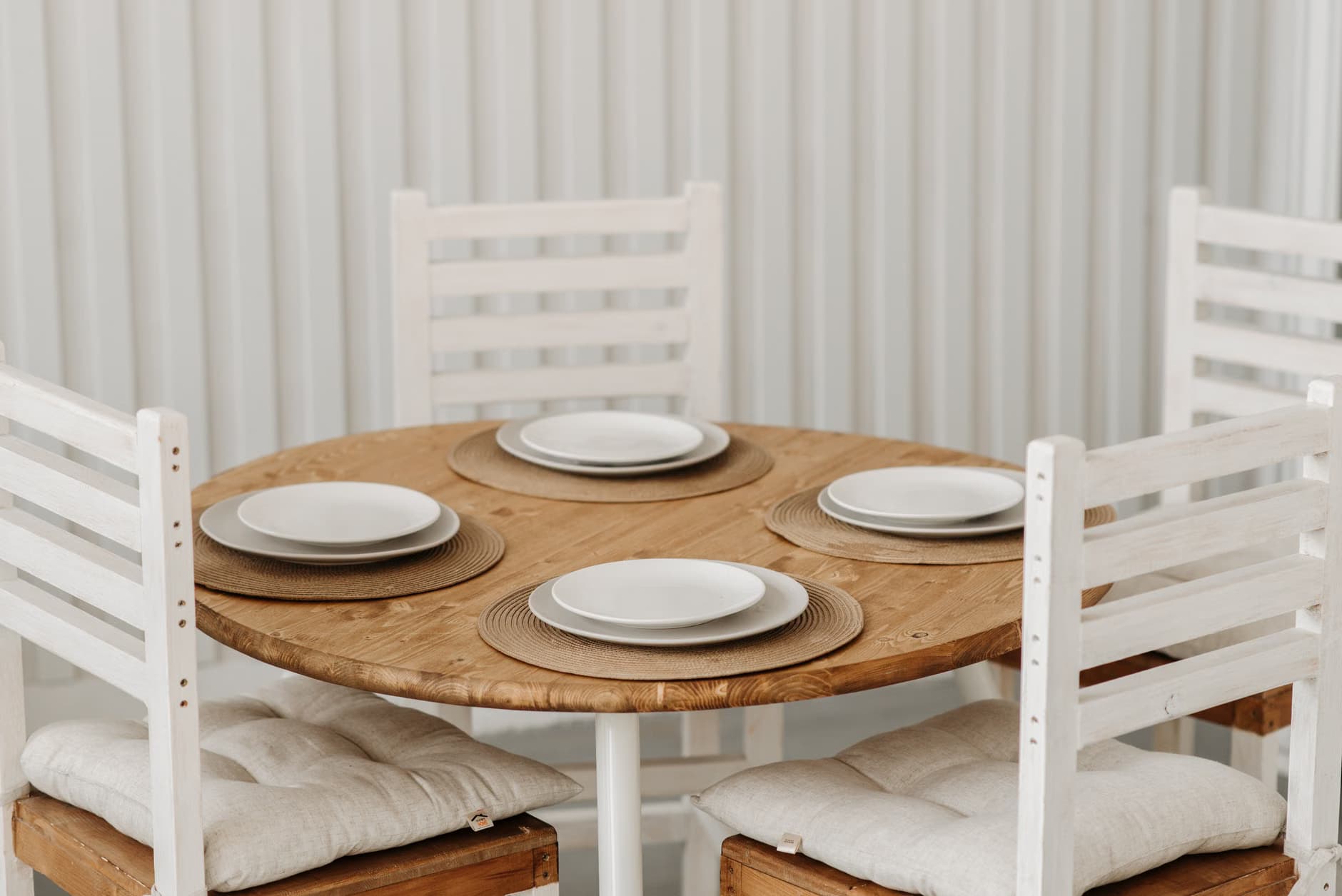
Wooden Furniture
Furniture refers to movable objects intended to support various human activities such as seating (e.g., stools, chairs, and sofas), eating (tables), storing items, eating and/or working with an item, and sleeping (e.g., beds and hammocks). Furniture is also used to hold objects at a convenient height for work (as horizontal surfaces above the ground, such as tables and desks), or to store things (e.g., cupboards, shelves, and drawers). Furniture can be a product of design and can be considered a form of decorative art. In addition to furniture's functional role, it can serve a symbolic or religious purpose. It can be made from a vast multitude of materials, including metal, plastic, and wood. Furniture can be made using a variety of woodworking joints which often reflects the local culture. People have been using natural objects, such as tree stumps, rocks and moss, as furniture since the beginning of human civilization and continues today in some households/campsites. Archaeological research shows that from around 30,000 years ago, people started to construct and carve their own furniture, using wood, stone, and animal bones. Early furniture from this period is known from artwork such as a Venus figurine found in Russia, depicting the goddess on a throne. The first surviving extant furniture is in the homes of Skara Brae in Scotland, and includes cupboards, dressers and beds all constructed from stone. Complex construction techniques such as joinery began in the early dynastic period of ancient Egypt. This era saw constructed wooden pieces, including stools and tables, sometimes decorated with valuable metals or ivory. The evolution of furniture design continued in ancient Greece and ancient Rome, with thrones being commonplace as well as the klinai, multipurpose couches used for relaxing, eating, and sleeping. The furniture of the Middle Ages was usually heavy, oak, and ornamented. Furniture design expanded during the Italian Renaissance of the fourteenth and fifteenth century. The seventeenth century, in both Southern and Northern Europe, was characterized by opulent, often gilded Baroque designs. The nineteenth century is usually defined by revival styles. The first three-quarters of the twentieth century are often seen as the march towards Modernism. One unique outgrowth of post-modern furniture design is a return to natural shapes and textures
jodhpur Trends
Wooden Furniture
ManufacturerAsk for Price
Furniture refers to movable objects intended to support various human activities such as seating (e.g., stools, chairs, and sofas), eating (tables), storing items, eating and/or working with an item, and sleeping (e.g., beds and hammocks). Furniture is also used to hold objects at a convenient height for work (as horizontal surfaces above the ground, such as tables and desks), or to store things (e.g., cupboards, shelves, and drawers). Furniture can be a product of design and can be considered a form of decorative art. In addition to furniture's functional role, it can serve a symbolic or religious purpose. It can be made from a vast multitude of materials, including metal, plastic, and wood. Furniture can be made using a variety of woodworking joints which often reflects the local culture. People have been using natural objects, such as tree stumps, rocks and moss, as furniture since the beginning of human civilization and continues today in some households/campsites. Archaeological research shows that from around 30,000 years ago, people started to construct and carve their own furniture, using wood, stone, and animal bones. Early furniture from this period is known from artwork such as a Venus figurine found in Russia, depicting the goddess on a throne. The first surviving extant furniture is in the homes of Skara Brae in Scotland, and includes cupboards, dressers and beds all constructed from stone. Complex construction techniques such as joinery began in the early dynastic period of ancient Egypt. This era saw constructed wooden pieces, including stools and tables, sometimes decorated with valuable metals or ivory. The evolution of furniture design continued in ancient Greece and ancient Rome, with thrones being commonplace as well as the klinai, multipurpose couches used for relaxing, eating, and sleeping. The furniture of the Middle Ages was usually heavy, oak, and ornamented. Furniture design expanded during the Italian Renaissance of the fourteenth and fifteenth century. The seventeenth century, in both Southern and Northern Europe, was characterized by opulent, often gilded Baroque designs. The nineteenth century is usually defined by revival styles. The first three-quarters of the twentieth century are often seen as the march towards Modernism. One unique outgrowth of post-modern furniture design is a return to natural shapes and textures
jodhpur Trends
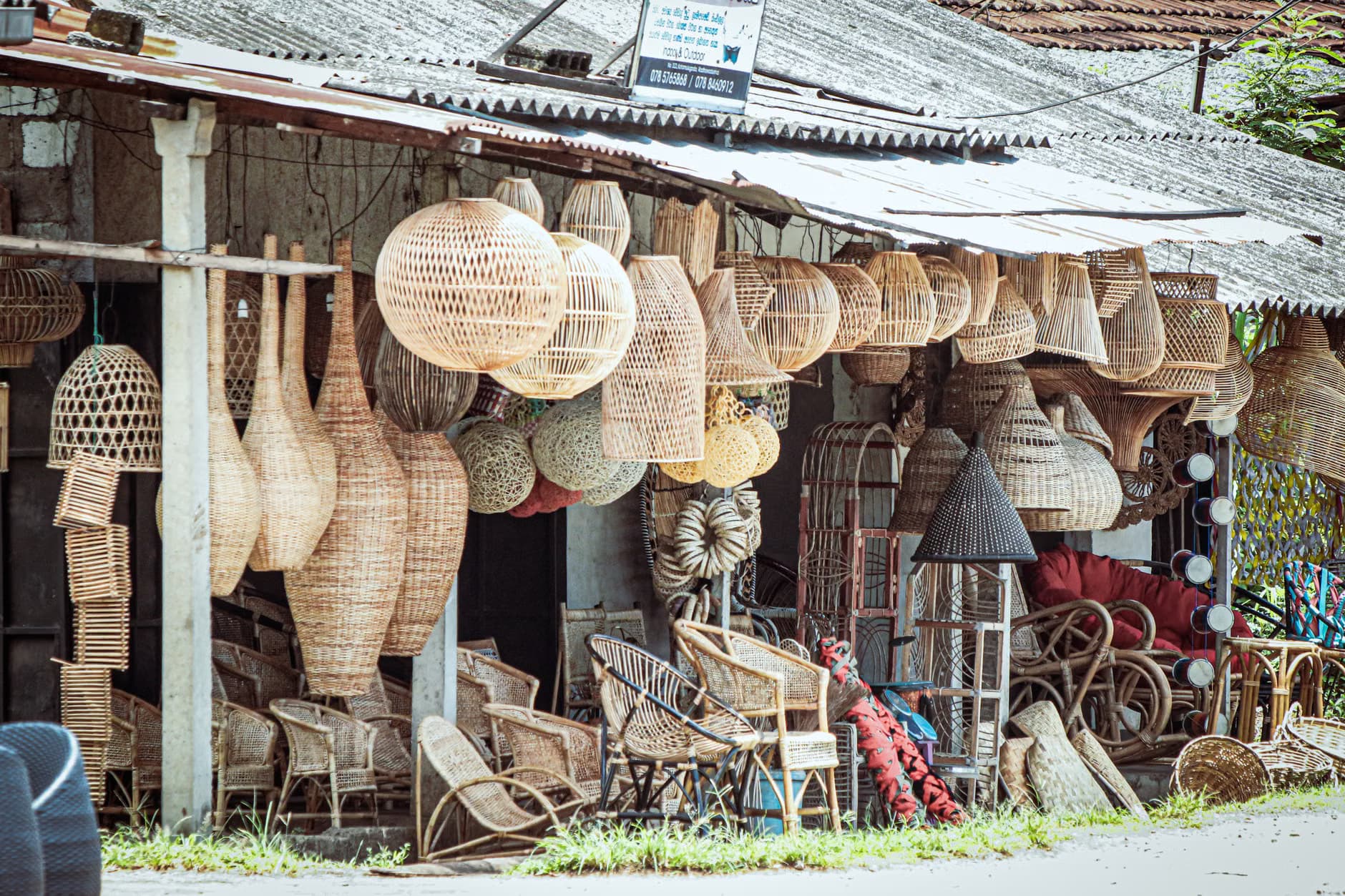
Cane Furniture
In the context of furniture, caning is a method of weaving chair seats and other furniture either while building new chairs or in the process of cane chair repair. In common use, "cane" may refer to any plant with a long, thin stem. However, the cane used for furniture is derived from the rattan vine native to Indonesia, the Philippines and Malaysia.[1]: 7 The vines typically grow to 100–300 ft in length; most have a diameter less than 1 in.[1]: 7 Before export, the rattan stems are cut to uniform lengths and the bark is removed in narrow strips of 1⁄16 to 3⁄16 in.[1]: 7 Sugar cane and bamboo (sometimes called "cane" in the southern United States) should not be confused with rattan cane.[1]: 8 Rattan vine looks somewhat similar to bamboo but is quite different in that bamboo is hollow and holds itself upright while rattan is a solid flexible vine that needs the support of surrounding structure to elevate itself off the forest floor. It climbs to the top of canopies of the forest to reach sunlight with the help of large rugged thorns that grab hold of surrounding trees. Sometimes much of the length of these rugged vines are draped along the forest floor from tree to tree in search of a suitable structure to climb.[citation needed] Mistakenly some people confuse furniture or chair caning with wicker. To clarify, chair caning is specifically the craft of applying rattan cane or rattan peel to a piece of furniture such as the backs or seats of chairs, whereas wicker or wicker work is a reference to the craft of weaving any number of materials such as willow or rattan reeds as well as man made paper based cords. The Ford Model T (foreground) and Volkswagen Beetle (background) are among the most mass-produced car models in history. Development was hindered in the mid-19th century by a backlash against large vehicles, yet progress continued on some internal combustion engines. The engine evolved as engineers created two- and four-cycle combustion engines and began using gasoline as fuel. Production vehicles began appearing in 1887, when Carl Benz developed a gasoline-powered automobile and made several identical copies.[7] Recent automobile production is marked by the Ford Model T, created by the Ford Motor Company in 1908, which became the first automobile to be mass-produced on a moving assembly line
jodhpur Trends
Cane Furniture
ManufacturerAsk for Price
In the context of furniture, caning is a method of weaving chair seats and other furniture either while building new chairs or in the process of cane chair repair. In common use, "cane" may refer to any plant with a long, thin stem. However, the cane used for furniture is derived from the rattan vine native to Indonesia, the Philippines and Malaysia.[1]: 7 The vines typically grow to 100–300 ft in length; most have a diameter less than 1 in.[1]: 7 Before export, the rattan stems are cut to uniform lengths and the bark is removed in narrow strips of 1⁄16 to 3⁄16 in.[1]: 7 Sugar cane and bamboo (sometimes called "cane" in the southern United States) should not be confused with rattan cane.[1]: 8 Rattan vine looks somewhat similar to bamboo but is quite different in that bamboo is hollow and holds itself upright while rattan is a solid flexible vine that needs the support of surrounding structure to elevate itself off the forest floor. It climbs to the top of canopies of the forest to reach sunlight with the help of large rugged thorns that grab hold of surrounding trees. Sometimes much of the length of these rugged vines are draped along the forest floor from tree to tree in search of a suitable structure to climb.[citation needed] Mistakenly some people confuse furniture or chair caning with wicker. To clarify, chair caning is specifically the craft of applying rattan cane or rattan peel to a piece of furniture such as the backs or seats of chairs, whereas wicker or wicker work is a reference to the craft of weaving any number of materials such as willow or rattan reeds as well as man made paper based cords. The Ford Model T (foreground) and Volkswagen Beetle (background) are among the most mass-produced car models in history. Development was hindered in the mid-19th century by a backlash against large vehicles, yet progress continued on some internal combustion engines. The engine evolved as engineers created two- and four-cycle combustion engines and began using gasoline as fuel. Production vehicles began appearing in 1887, when Carl Benz developed a gasoline-powered automobile and made several identical copies.[7] Recent automobile production is marked by the Ford Model T, created by the Ford Motor Company in 1908, which became the first automobile to be mass-produced on a moving assembly line
jodhpur Trends
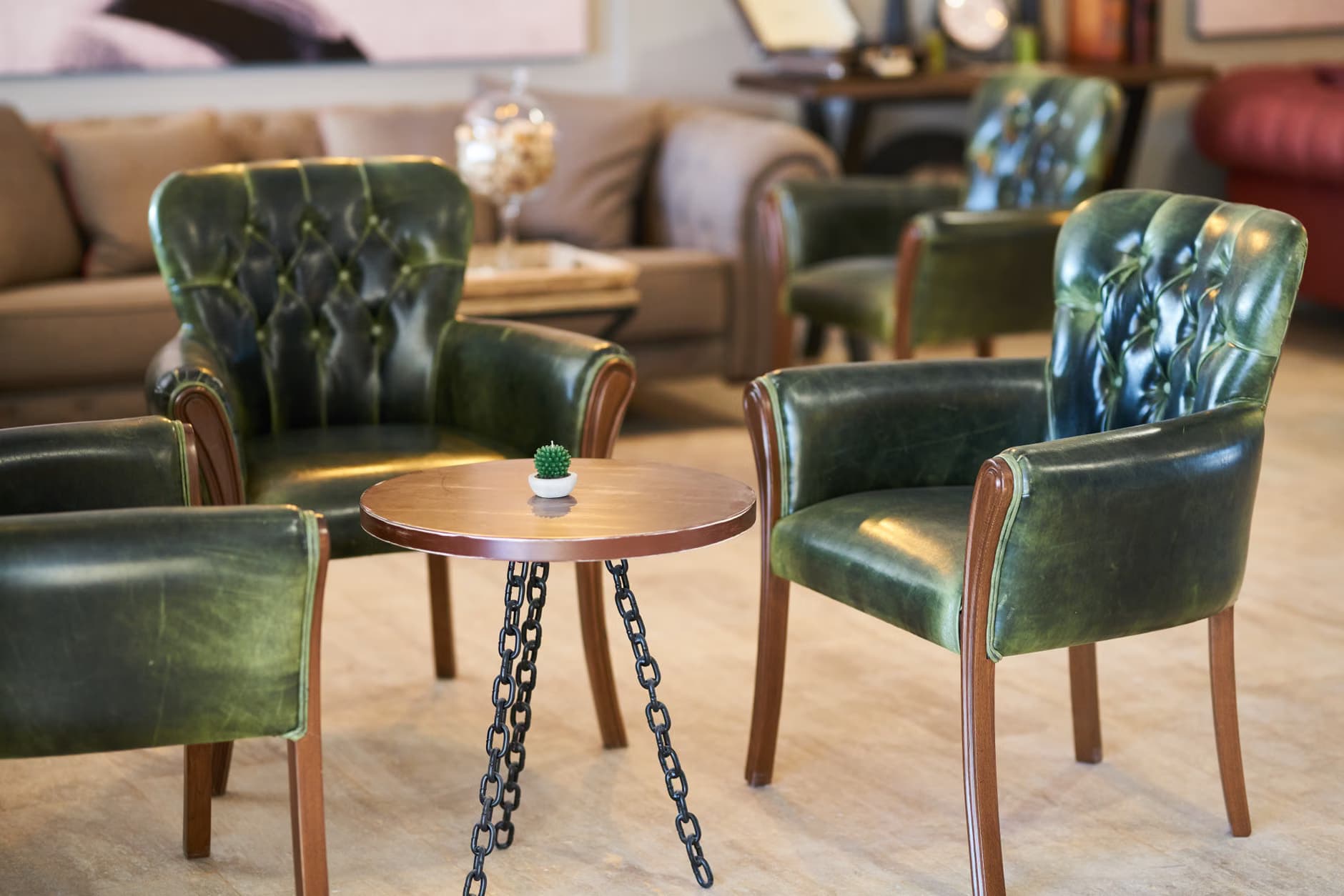
Leather Furniture
Leather is a strong, flexible and durable material obtained from the tanning, or chemical treatment, of animal skins and hides to prevent decay. The most common leathers come from cattle, sheep, goats, equine animals, buffalo, pigs and hogs, and aquatic animals such as seals and alligators.[1][2] Leather can be used to make a variety of items, including clothing, footwear, handbags, furniture, tools and sports equipment, and lasts for decades. Leather making has been practiced for more than 7,000 years and the leading producers of leather today are China and India.[1][2][3] Animal rights groups claim that modern commercial leather making and the consumption of its products is unethically killing animals.[4] According to the life-cycle assessment (LCA) report for the United Nations Industrial Development Organization, 99% of the raw hides and skins used in the production of leather derive from animals raised for meat and/or dairy production.[5] Critics of tanneries claim that they engage in unsustainable practices that pose health hazards to the people and the environment near them.[6] The processing stages of tanneries use thousands of liters of water for one hide or animal skin and release toxic liquid waste into the environment that can cause soil depletion and health issues related to the human skin, respiratory system and more. However, advancements have been made in the amount and treatment of water used by tanneries to reduce impact.
jodhpur Trends
Leather Furniture
ManufacturerAsk for Price
Leather is a strong, flexible and durable material obtained from the tanning, or chemical treatment, of animal skins and hides to prevent decay. The most common leathers come from cattle, sheep, goats, equine animals, buffalo, pigs and hogs, and aquatic animals such as seals and alligators.[1][2] Leather can be used to make a variety of items, including clothing, footwear, handbags, furniture, tools and sports equipment, and lasts for decades. Leather making has been practiced for more than 7,000 years and the leading producers of leather today are China and India.[1][2][3] Animal rights groups claim that modern commercial leather making and the consumption of its products is unethically killing animals.[4] According to the life-cycle assessment (LCA) report for the United Nations Industrial Development Organization, 99% of the raw hides and skins used in the production of leather derive from animals raised for meat and/or dairy production.[5] Critics of tanneries claim that they engage in unsustainable practices that pose health hazards to the people and the environment near them.[6] The processing stages of tanneries use thousands of liters of water for one hide or animal skin and release toxic liquid waste into the environment that can cause soil depletion and health issues related to the human skin, respiratory system and more. However, advancements have been made in the amount and treatment of water used by tanneries to reduce impact.
jodhpur Trends

Upholstered Furniture
Upholstery is the work of providing furniture, especially seats, with padding, springs, webbing, and fabric or leather covers. The word also refers to the materials used to upholster something. Upholstery comes from the Middle English word upholder,[1] which referred to an artisan who makes fabric furnishings.[2] The term is equally applicable to domestic, automobile, airplane and boat furniture, and can be applied to mattresses, particularly the upper layers, though these often differ significantly in design. A person who works with upholstery is called an upholsterer. An apprentice upholsterer is sometimes called an outsider or trimmer. Traditional upholstery uses materials like coil springs (post-1850), animal hair (horse, hog and cow), coir, straw and hay, hessians, linen scrims, wadding, etc., and is done by hand, building each layer up. In contrast, today's upholsterers employ synthetic materials like dacron and vinyl, serpentine springs, and so on.
jodhpur Trends
Upholstered Furniture
ManufacturerAsk for Price
Upholstery is the work of providing furniture, especially seats, with padding, springs, webbing, and fabric or leather covers. The word also refers to the materials used to upholster something. Upholstery comes from the Middle English word upholder,[1] which referred to an artisan who makes fabric furnishings.[2] The term is equally applicable to domestic, automobile, airplane and boat furniture, and can be applied to mattresses, particularly the upper layers, though these often differ significantly in design. A person who works with upholstery is called an upholsterer. An apprentice upholsterer is sometimes called an outsider or trimmer. Traditional upholstery uses materials like coil springs (post-1850), animal hair (horse, hog and cow), coir, straw and hay, hessians, linen scrims, wadding, etc., and is done by hand, building each layer up. In contrast, today's upholsterers employ synthetic materials like dacron and vinyl, serpentine springs, and so on.
jodhpur Trends

Reclaimed Furniture
A piece of antique furniture is a collectible interior furnishing of considerable age. Often the age, rarity, condition, utility, or other unique features make a piece of furniture desirable as a collectors' item, and thus termed an antique.[1] The antique furniture pieces reflect the style and features of the time they were made; this can be called the antique's "period" (Edwardian, Tudor, Colonial, etc.). Christie's defines it as being over 100 years old.[2] Antique furniture may support the human body (such as seating or beds), provide storage, or hold objects on horizontal surfaces above the ground. Storage furniture (which often makes use of doors, drawers, and shelves) is used to hold or contain smaller objects such as clothes, tools, books, and household goods.[3] Furniture can be a product of artistic design and is considered a form of decorative art.[4] In addition to furniture's functional role, it can serve a symbolic or religious purpose. Domestic furniture works to create, in conjunction with furnishings such as clocks and lighting, comfortable and convenient interior spaces. Furniture can be made from many materials, including metal, plastic, and wood. Cabinetry and cabinet making are terms for the skill set used in the building of furniture. The earliest furniture was simple and practical, but as furniture became crafted and decorated it became an early status symbol. Wealthy homeowners demanded that their furnishings reflect their status and lifestyles.
jodhpur Trends
Reclaimed Furniture
ManufacturerAsk for Price
A piece of antique furniture is a collectible interior furnishing of considerable age. Often the age, rarity, condition, utility, or other unique features make a piece of furniture desirable as a collectors' item, and thus termed an antique.[1] The antique furniture pieces reflect the style and features of the time they were made; this can be called the antique's "period" (Edwardian, Tudor, Colonial, etc.). Christie's defines it as being over 100 years old.[2] Antique furniture may support the human body (such as seating or beds), provide storage, or hold objects on horizontal surfaces above the ground. Storage furniture (which often makes use of doors, drawers, and shelves) is used to hold or contain smaller objects such as clothes, tools, books, and household goods.[3] Furniture can be a product of artistic design and is considered a form of decorative art.[4] In addition to furniture's functional role, it can serve a symbolic or religious purpose. Domestic furniture works to create, in conjunction with furnishings such as clocks and lighting, comfortable and convenient interior spaces. Furniture can be made from many materials, including metal, plastic, and wood. Cabinetry and cabinet making are terms for the skill set used in the building of furniture. The earliest furniture was simple and practical, but as furniture became crafted and decorated it became an early status symbol. Wealthy homeowners demanded that their furnishings reflect their status and lifestyles.
jodhpur Trends
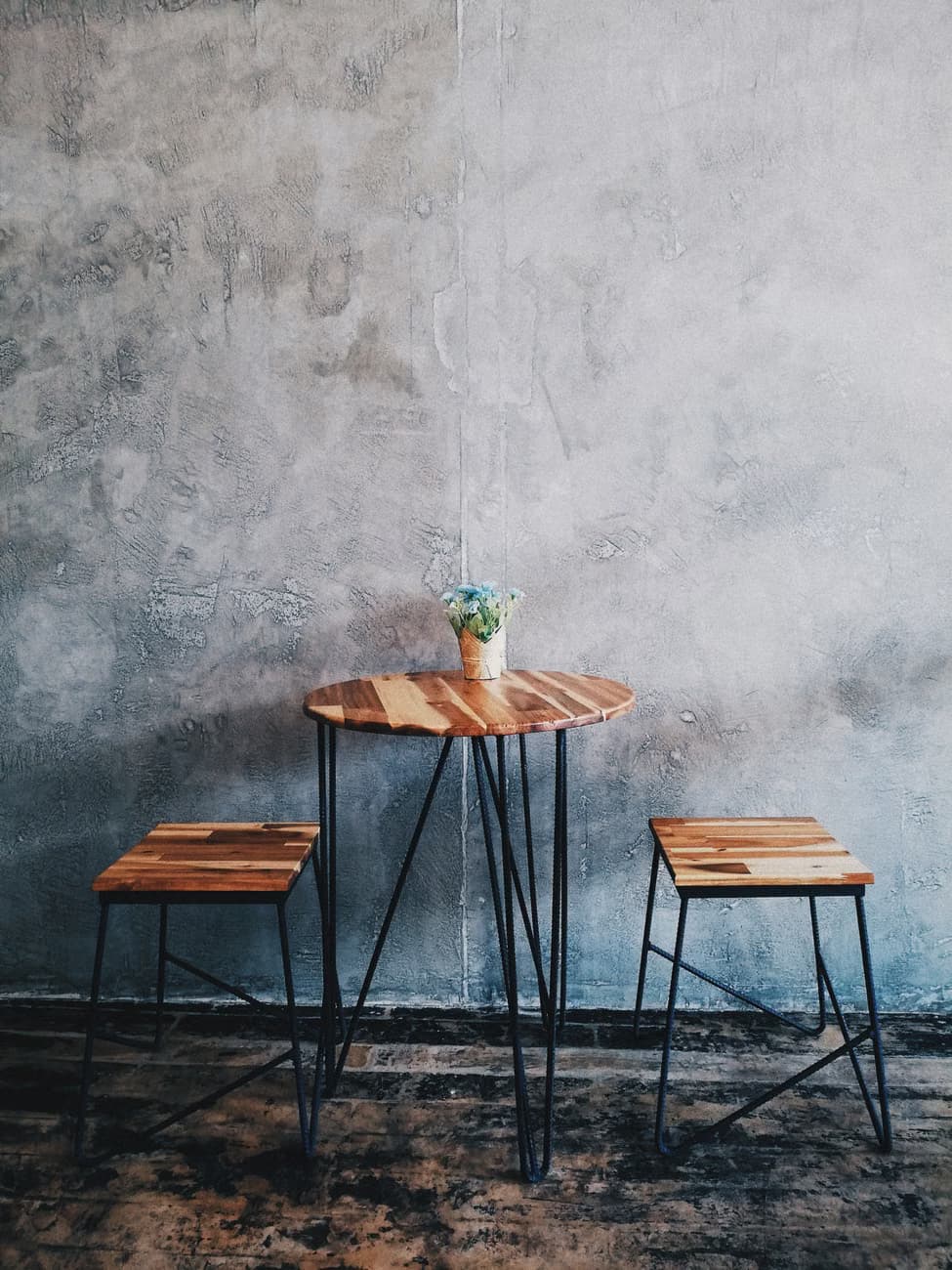
Industrial Furniture
Industrial style or industrial chic refers to an aesthetic trend in interior design that takes clues from old factories and industrial spaces that in recent years have been converted to lofts and other living spaces.[1] Components of industrial style include weathered wood, building systems, exposed brick, industrial lighting fixtures and concrete.[2] This aesthetic became popular in the late 2000s and remained popular in the 2010s.[3] Industrial style can also be seen in the use of unexpected materials used in building. Shipping containers are now being used in architecture for homes and commercial spaces. The Industrial style of design is most commonly found in urban areas including cities and lofts. These are prime locations because they provide almost a blank space for homeowners to get started with a fresh canvas. These locations also contain some of the key elements used to achieve this style of design including exposed bricks and pipes, concrete flooring, and large open windows. These elements help give the space a “warehouse” feel which is the ultimate goal of this style of design. This style incorporates raw materials to give the space an unfinished feel. To achieve an industrial feel, a natural color palette is most commonly used. A mix of grays, neutrals and rustic colors can be seen in these spaces. These simple colors allow for the use of furniture and other accessories to help liven up the room. Also, having the walls a neutral color allows for open areas like lofts to feel bigger and more connected while giving furniture the opportunity to help create a natural flow of the room. Large sectionals are a staple item in any industrial style room. This is because of their ability to help close off larger spaces and help divide up the living areas. This is important because spaces like lofts tend to be very open. In order to create the illusion of multiple rooms, a sectional can help block the flow and define a separate living area. As far as lighting goes, floor lamps are trending. Any light fixture with metal finishes fits right into this style. Large open windows also help bring natural light into the space which can be very beneficial for smaller spaces. Overhead light fixtures can also give the area an industrial ambiance, especially in the kitchen. To tie into the industrial theme, many homeowners resort to a kitchen island. These islands tend to be made of reclaimed wood or other earthy materials. A kitchen island can also contribute in separating a big room and providing a defined kitchen area. They can be paired with barstools that are made of wood or contain metal finishes. Open faced shelving and storage are big hits when it comes to an industrial kitchen. Free standing metal racks can also provide extra storage and can be beneficial in smaller rooms. If they have wheels, they can multitask. For example, low shelving on wheels can serve as a computer desk one day; the next day it can stand-in as a bar cart. Exposed overhead beams, brick and concrete are notable accents to the kitchen along with darker cabinets and shelving. Lighter colored floors or polished concrete are ways to incorporate this style into any kitchen. To modernize this rather rustic look, decorative tiles look great in the kitchen. Tile as a backsplash can help create a modern twist and help liven up the space
jodhpur Trends
Industrial Furniture
ManufacturerAsk for Price
Industrial style or industrial chic refers to an aesthetic trend in interior design that takes clues from old factories and industrial spaces that in recent years have been converted to lofts and other living spaces.[1] Components of industrial style include weathered wood, building systems, exposed brick, industrial lighting fixtures and concrete.[2] This aesthetic became popular in the late 2000s and remained popular in the 2010s.[3] Industrial style can also be seen in the use of unexpected materials used in building. Shipping containers are now being used in architecture for homes and commercial spaces. The Industrial style of design is most commonly found in urban areas including cities and lofts. These are prime locations because they provide almost a blank space for homeowners to get started with a fresh canvas. These locations also contain some of the key elements used to achieve this style of design including exposed bricks and pipes, concrete flooring, and large open windows. These elements help give the space a “warehouse” feel which is the ultimate goal of this style of design. This style incorporates raw materials to give the space an unfinished feel. To achieve an industrial feel, a natural color palette is most commonly used. A mix of grays, neutrals and rustic colors can be seen in these spaces. These simple colors allow for the use of furniture and other accessories to help liven up the room. Also, having the walls a neutral color allows for open areas like lofts to feel bigger and more connected while giving furniture the opportunity to help create a natural flow of the room. Large sectionals are a staple item in any industrial style room. This is because of their ability to help close off larger spaces and help divide up the living areas. This is important because spaces like lofts tend to be very open. In order to create the illusion of multiple rooms, a sectional can help block the flow and define a separate living area. As far as lighting goes, floor lamps are trending. Any light fixture with metal finishes fits right into this style. Large open windows also help bring natural light into the space which can be very beneficial for smaller spaces. Overhead light fixtures can also give the area an industrial ambiance, especially in the kitchen. To tie into the industrial theme, many homeowners resort to a kitchen island. These islands tend to be made of reclaimed wood or other earthy materials. A kitchen island can also contribute in separating a big room and providing a defined kitchen area. They can be paired with barstools that are made of wood or contain metal finishes. Open faced shelving and storage are big hits when it comes to an industrial kitchen. Free standing metal racks can also provide extra storage and can be beneficial in smaller rooms. If they have wheels, they can multitask. For example, low shelving on wheels can serve as a computer desk one day; the next day it can stand-in as a bar cart. Exposed overhead beams, brick and concrete are notable accents to the kitchen along with darker cabinets and shelving. Lighter colored floors or polished concrete are ways to incorporate this style into any kitchen. To modernize this rather rustic look, decorative tiles look great in the kitchen. Tile as a backsplash can help create a modern twist and help liven up the space
jodhpur Trends
Industrial Furniture
Industrial style or industrial chic refers to an aesthetic trend in interior design that takes clues from old factories and industrial spaces that in recent years have been converted to lofts and other living spaces.[1] Components of industrial style include weathered wood, building systems, exposed brick, industrial lighting fixtures and concrete.[2] This aesthetic became popular in the late 2000s and remained popular in the 2010s.[3] Industrial style can also be seen in the use of unexpected materials used in building. Shipping containers are now being used in architecture for homes and commercial spaces. The Industrial style of design is most commonly found in urban areas including cities and lofts. These are prime locations because they provide almost a blank space for homeowners to get started with a fresh canvas. These locations also contain some of the key elements used to achieve this style of design including exposed bricks and pipes, concrete flooring, and large open windows. These elements help give the space a “warehouse” feel which is the ultimate goal of this style of design. This style incorporates raw materials to give the space an unfinished feel. To achieve an industrial feel, a natural color palette is most commonly used. A mix of grays, neutrals and rustic colors can be seen in these spaces. These simple colors allow for the use of furniture and other accessories to help liven up the room. Also, having the walls a neutral color allows for open areas like lofts to feel bigger and more connected while giving furniture the opportunity to help create a natural flow of the room. Large sectionals are a staple item in any industrial style room. This is because of their ability to help close off larger spaces and help divide up the living areas. This is important because spaces like lofts tend to be very open. In order to create the illusion of multiple rooms, a sectional can help block the flow and define a separate living area. As far as lighting goes, floor lamps are trending. Any light fixture with metal finishes fits right into this style. Large open windows also help bring natural light into the space which can be very beneficial for smaller spaces. Overhead light fixtures can also give the area an industrial ambiance, especially in the kitchen. To tie into the industrial theme, many homeowners resort to a kitchen island. These islands tend to be made of reclaimed wood or other earthy materials. A kitchen island can also contribute in separating a big room and providing a defined kitchen area. They can be paired with barstools that are made of wood or contain metal finishes. Open faced shelving and storage are big hits when it comes to an industrial kitchen. Free standing metal racks can also provide extra storage and can be beneficial in smaller rooms. If they have wheels, they can multitask. For example, low shelving on wheels can serve as a computer desk one day; the next day it can stand-in as a bar cart. Exposed overhead beams, brick and concrete are notable accents to the kitchen along with darker cabinets and shelving. Lighter colored floors or polished concrete are ways to incorporate this style into any kitchen. To modernize this rather rustic look, decorative tiles look great in the kitchen. Tile as a backsplash can help create a modern twist and help liven up the space
jodhpur Trends
Industrial Furniture
ManufacturerAsk for Price
Industrial style or industrial chic refers to an aesthetic trend in interior design that takes clues from old factories and industrial spaces that in recent years have been converted to lofts and other living spaces.[1] Components of industrial style include weathered wood, building systems, exposed brick, industrial lighting fixtures and concrete.[2] This aesthetic became popular in the late 2000s and remained popular in the 2010s.[3] Industrial style can also be seen in the use of unexpected materials used in building. Shipping containers are now being used in architecture for homes and commercial spaces. The Industrial style of design is most commonly found in urban areas including cities and lofts. These are prime locations because they provide almost a blank space for homeowners to get started with a fresh canvas. These locations also contain some of the key elements used to achieve this style of design including exposed bricks and pipes, concrete flooring, and large open windows. These elements help give the space a “warehouse” feel which is the ultimate goal of this style of design. This style incorporates raw materials to give the space an unfinished feel. To achieve an industrial feel, a natural color palette is most commonly used. A mix of grays, neutrals and rustic colors can be seen in these spaces. These simple colors allow for the use of furniture and other accessories to help liven up the room. Also, having the walls a neutral color allows for open areas like lofts to feel bigger and more connected while giving furniture the opportunity to help create a natural flow of the room. Large sectionals are a staple item in any industrial style room. This is because of their ability to help close off larger spaces and help divide up the living areas. This is important because spaces like lofts tend to be very open. In order to create the illusion of multiple rooms, a sectional can help block the flow and define a separate living area. As far as lighting goes, floor lamps are trending. Any light fixture with metal finishes fits right into this style. Large open windows also help bring natural light into the space which can be very beneficial for smaller spaces. Overhead light fixtures can also give the area an industrial ambiance, especially in the kitchen. To tie into the industrial theme, many homeowners resort to a kitchen island. These islands tend to be made of reclaimed wood or other earthy materials. A kitchen island can also contribute in separating a big room and providing a defined kitchen area. They can be paired with barstools that are made of wood or contain metal finishes. Open faced shelving and storage are big hits when it comes to an industrial kitchen. Free standing metal racks can also provide extra storage and can be beneficial in smaller rooms. If they have wheels, they can multitask. For example, low shelving on wheels can serve as a computer desk one day; the next day it can stand-in as a bar cart. Exposed overhead beams, brick and concrete are notable accents to the kitchen along with darker cabinets and shelving. Lighter colored floors or polished concrete are ways to incorporate this style into any kitchen. To modernize this rather rustic look, decorative tiles look great in the kitchen. Tile as a backsplash can help create a modern twist and help liven up the space
jodhpur Trends
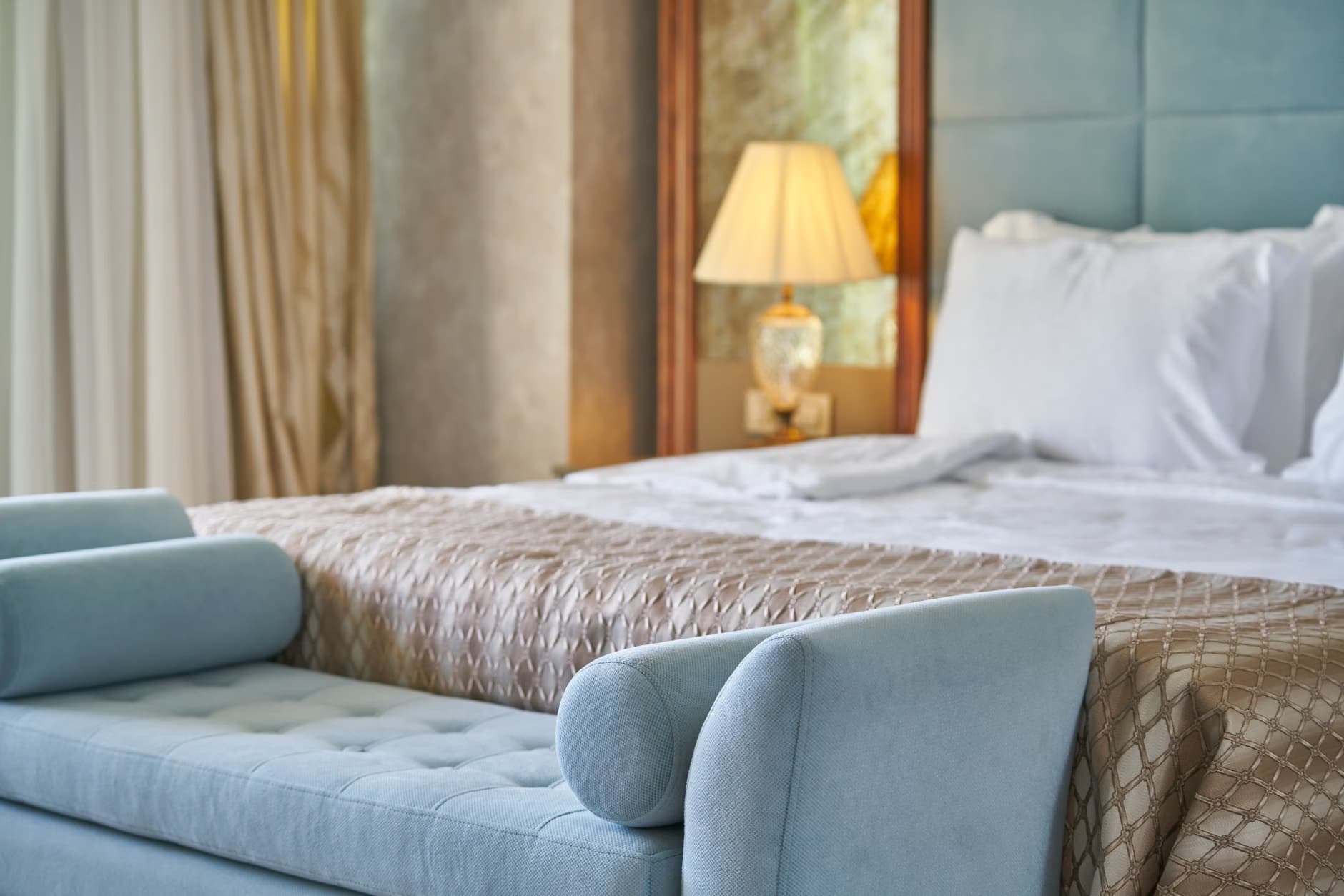
Hotel Furniture
Hotel design involves the planning, drafting, design and development of hotels.[1] The concept of hotel design is rooted in traditions of hospitality to travellers dating back to ancient times,[2] and the development of many diverse types of hotels has occurred in many cultures. For example, the advent of rail travel in the early 1900s led to the planning, design and development of hotels near railroad stations that catered to rail travelers.[3] Hotels around Grand Central Terminal in New York City are an example of this phenomenon.[4] Hotel interior design and styles are very diverse, with numerous variations existent.
jodhpur Trends
Hotel Furniture
ManufacturerAsk for Price
Hotel design involves the planning, drafting, design and development of hotels.[1] The concept of hotel design is rooted in traditions of hospitality to travellers dating back to ancient times,[2] and the development of many diverse types of hotels has occurred in many cultures. For example, the advent of rail travel in the early 1900s led to the planning, design and development of hotels near railroad stations that catered to rail travelers.[3] Hotels around Grand Central Terminal in New York City are an example of this phenomenon.[4] Hotel interior design and styles are very diverse, with numerous variations existent.
jodhpur Trends
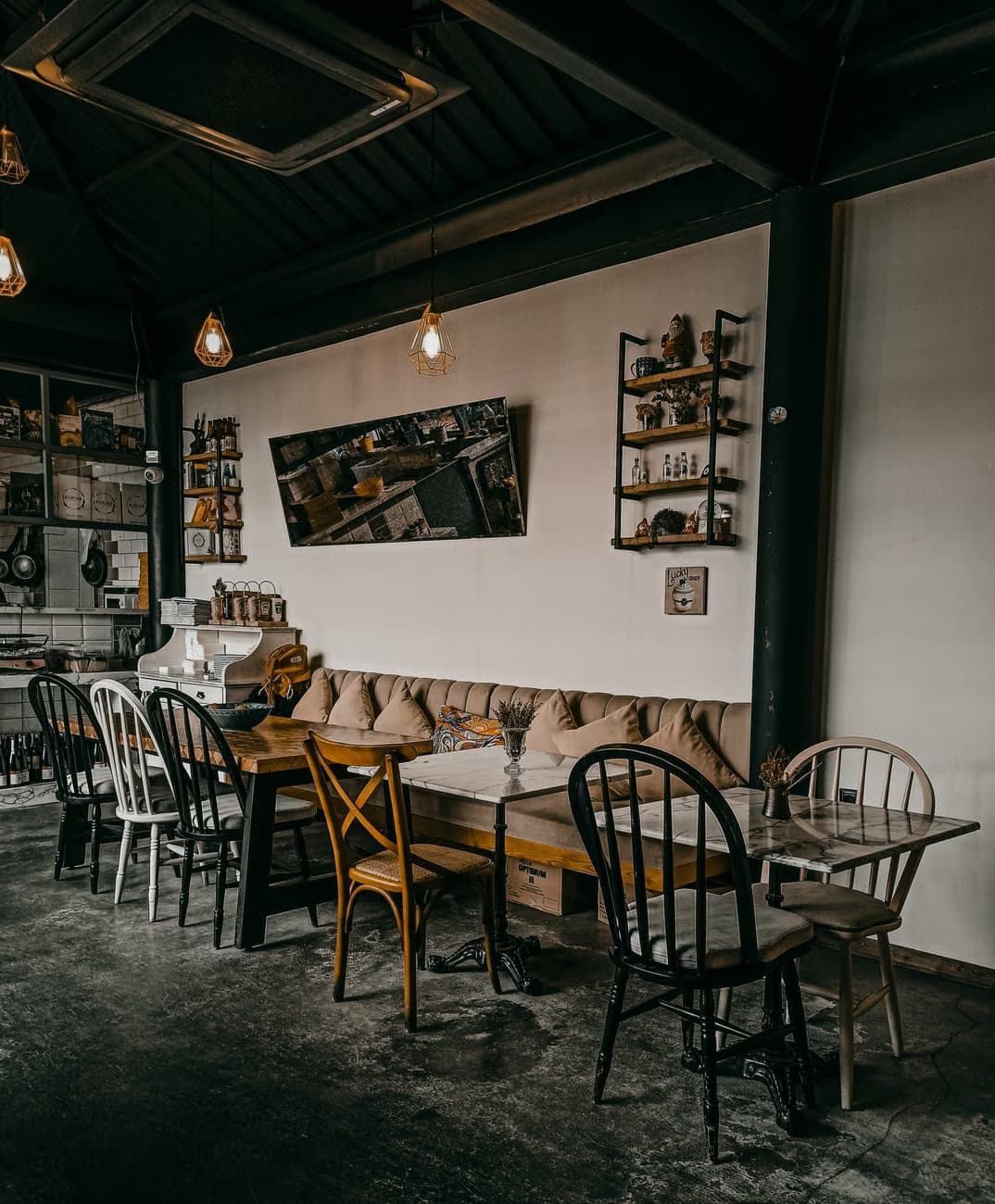
Restaurant Furniture
Furniture refers to movable objects intended to support various human activities such as seating (e.g., stools, chairs, and sofas), eating (tables), storing items, eating and/or working with an item, and sleeping (e.g., beds and hammocks). Furniture is also used to hold objects at a convenient height for work (as horizontal surfaces above the ground, such as tables and desks), or to store things (e.g., cupboards, shelves, and drawers). Furniture can be a product of design and can be considered a form of decorative art. In addition to furniture's functional role, it can serve a symbolic or religious purpose. It can be made from a vast multitude of materials, including metal, plastic, and wood. Furniture can be made using a variety of woodworking joints which often reflects the local culture. People have been using natural objects, such as tree stumps, rocks and moss, as furniture since the beginning of human civilization and continues today in some households/campsites. Archaeological research shows that from around 30,000 years ago, people started to construct and carve their own furniture, using wood, stone, and animal bones. Early furniture from this period is known from artwork such as a Venus figurine found in Russia, depicting the goddess on a throne. The first surviving extant furniture is in the homes of Skara Brae in Scotland, and includes cupboards, dressers and beds all constructed from stone. Complex construction techniques such as joinery began in the early dynastic period of ancient Egypt. This era saw constructed wooden pieces, including stools and tables, sometimes decorated with valuable metals or ivory. The evolution of furniture design continued in ancient Greece and ancient Rome, with thrones being commonplace as well as the klinai, multipurpose couches used for relaxing, eating, and sleeping. The furniture of the Middle Ages was usually heavy, oak, and ornamented. Furniture design expanded during the Italian Renaissance of the fourteenth and fifteenth century. The seventeenth century, in both Southern and Northern Europe, was characterized by opulent, often gilded Baroque designs. The nineteenth century is usually defined by revival styles. The first three-quarters of the twentieth century are often seen as the march towards Modernism. One unique outgrowth of post-modern furniture design is a return to natural shapes and textures.
jodhpur Trends
Restaurant Furniture
ManufacturerAsk for Price
Furniture refers to movable objects intended to support various human activities such as seating (e.g., stools, chairs, and sofas), eating (tables), storing items, eating and/or working with an item, and sleeping (e.g., beds and hammocks). Furniture is also used to hold objects at a convenient height for work (as horizontal surfaces above the ground, such as tables and desks), or to store things (e.g., cupboards, shelves, and drawers). Furniture can be a product of design and can be considered a form of decorative art. In addition to furniture's functional role, it can serve a symbolic or religious purpose. It can be made from a vast multitude of materials, including metal, plastic, and wood. Furniture can be made using a variety of woodworking joints which often reflects the local culture. People have been using natural objects, such as tree stumps, rocks and moss, as furniture since the beginning of human civilization and continues today in some households/campsites. Archaeological research shows that from around 30,000 years ago, people started to construct and carve their own furniture, using wood, stone, and animal bones. Early furniture from this period is known from artwork such as a Venus figurine found in Russia, depicting the goddess on a throne. The first surviving extant furniture is in the homes of Skara Brae in Scotland, and includes cupboards, dressers and beds all constructed from stone. Complex construction techniques such as joinery began in the early dynastic period of ancient Egypt. This era saw constructed wooden pieces, including stools and tables, sometimes decorated with valuable metals or ivory. The evolution of furniture design continued in ancient Greece and ancient Rome, with thrones being commonplace as well as the klinai, multipurpose couches used for relaxing, eating, and sleeping. The furniture of the Middle Ages was usually heavy, oak, and ornamented. Furniture design expanded during the Italian Renaissance of the fourteenth and fifteenth century. The seventeenth century, in both Southern and Northern Europe, was characterized by opulent, often gilded Baroque designs. The nineteenth century is usually defined by revival styles. The first three-quarters of the twentieth century are often seen as the march towards Modernism. One unique outgrowth of post-modern furniture design is a return to natural shapes and textures.
jodhpur Trends
Business Reviews & Ratings
Verified ratings and feedback from corporate clients sourcing from jodhpur Trends.
Based on 0 Reviews
Supplier Performance
Loading reviews...
Corporate Factsheet
| Corporate Name | jodhpur Trends |
| Company CEO | prince choudhary |
| Year Established | 2024 |
| Registered Address | Plot No. 16 , Khasra No.62/2 , Shree Hari Udyog Nagar 2nd , Tanawara, Jodhpur , Rajasthan , India |
Direct Supplier Lead
Send business requirements directly to the owner.